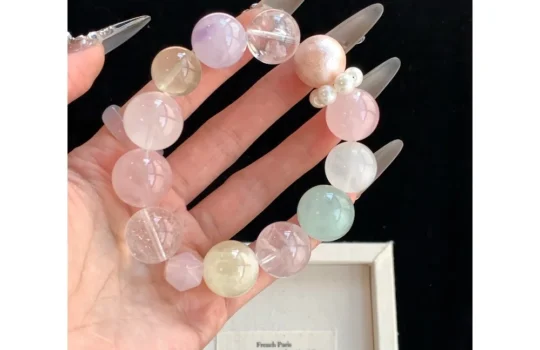

Effective Techniques for Cleaning Gaps in Your Crystal Bracelet
Crystal bracelets often feature intricate designs with narrow gaps and crevices that trap dirt, oils, and residue over time. These hard-to-reach areas can dull the bracelet’s shine and even harbor bacteria if left uncleaned. Here’s how to tackle缝隙 (gaps) without damaging delicate components.
Understanding the Challenges of Cleaning Tight Spaces
Why Gaps Accumulate Grime Quickly
The small spaces between crystals, beads, or metal settings are magnets for skin oils, lotion, dust, and sweat. These substances harden over time, forming a stubborn layer that’s difficult to remove with standard cleaning methods.
Risks of Using Harsh Tools or Chemicals
Abrasive brushes, metal picks, or strong solvents can scratch crystals, loosen settings, or corrode metal. Even toothpaste, often suggested for jewelry cleaning, may contain abrasives that damage soft gemstones.
The Importance of Gentle, Targeted Cleaning
Cleaning gaps requires patience and precision. Using the wrong approach can push dirt deeper into crevices or create micro-scratches that reduce the bracelet’s luster. A soft, methodical technique is key.
Tools and Materials for Safe Gap Cleaning
Soft-Bristled Brushes for Delicate Surfaces
A clean, unused toothbrush with ultra-soft bristles is ideal for dislodging debris without scratching. Alternatively, use a small paintbrush or makeup brush designed for sensitive skin.
Microfiber Cloths for Wiping and Polishing
Microfiber’s fine fibers trap particles effectively, making it perfect for wiping away loosened grime. Avoid rough towels or paper products, which may leave lint or scratches.
Mild, Non-Abrasive Cleaning Solutions
Mix lukewarm water with a drop of gentle dish soap or a pH-balanced jewelry cleaner. Avoid bleach, ammonia, or vinegar, as these can etch crystals or tarnish metals over time.
Step-by-Step Cleaning Process for Gaps and Crevices
Preparing the Bracelet for Cleaning
Fill a small bowl with your chosen cleaning solution and submerge the bracelet for 5–10 minutes. This softens dried residue, making it easier to remove. Avoid soaking for too long, as prolonged exposure to water can weaken adhesive settings.
Using a Brush to Dislodge Stubborn Dirt
Dip your soft-bristled brush into the solution and gently scrub the gaps, moving in one direction to avoid pushing dirt further in. Focus on areas where grime is most visible, such as between crystals or along metal filigree.
Rinsing and Drying the Bracelet Properly
Rinse the bracelet under lukewarm running water to remove soap residue. Pat it dry with a microfiber cloth, then lay it flat on a clean towel to air-dry completely. Ensure no moisture remains in crevices, as trapped water can cause tarnish or mold.
Advanced Techniques for Deeply Embedded Grime
Using a Toothpick or Wooden Skewer for Precision
For extremely narrow gaps, wrap a clean toothpick or wooden skewer in a thin layer of microfiber cloth. Dip it in the cleaning solution and carefully slide it into the crevice to lift dirt without scratching.
Applying Steam for Loosening Tough Residue
Hold the bracelet several inches above a steaming kettle of water (not boiling) for 30–60 seconds. The steam softens hardened grime, making it easier to brush away. Be cautious with heat-sensitive crystals or adhesives.
Creating a Homemade Cleaning Paste for Stubborn Stains
Mix a pinch of baking soda with water to form a paste. Apply a tiny amount to a soft brush and gently scrub the affected area. Rinse thoroughly afterward, as baking soda can leave a white residue if not removed completely.
Preventing Future Buildup in Gaps and Crevices
Regular Light Cleaning After Each Wear
Wipe your bracelet with a microfiber cloth after wearing it to remove surface oils and dust before they settle into gaps. This simple habit reduces the need for deep cleaning sessions.
Storing the Bracelet in a Dust-Free Environment
Keep your bracelet in a closed fabric pouch or jewelry box with a lid to minimize exposure to airborne particles. Avoid storing it in open trays or near vents, where dust can accumulate quickly.
Avoiding Contact with Lotions and Perfumes
Apply lotions, perfumes, or hairspray before putting on your bracelet to prevent these products from seeping into gaps. Chemicals in these items can harden into a sticky residue over time.
When to Seek Professional Help for Gap Cleaning
Signs Your Bracelet Needs Expert Attention
If gaps remain dirty after thorough cleaning, or if you notice loose stones, corroded metal, or discoloration, consult a professional jeweler. They have specialized tools (like ultrasonic cleaners) to safely restore your bracelet.
Risks of DIY Methods for Fragile Designs
Antique or heirloom bracelets with delicate settings may not withstand home cleaning. Professionals can assess the piece’s condition and use non-invasive techniques to preserve its value and structure.
Finding a Reputable Jeweler for Deep Cleaning
Ask for recommendations from friends or check online reviews to find a jeweler experienced in handling crystal jewelry. Ensure they use gentle methods and avoid harsh chemicals that could damage your bracelet.
By following these techniques, you can keep your crystal bracelet’s gaps free of grime without compromising its beauty. Consistent care ensures your piece remains a radiant accessory for years to come.