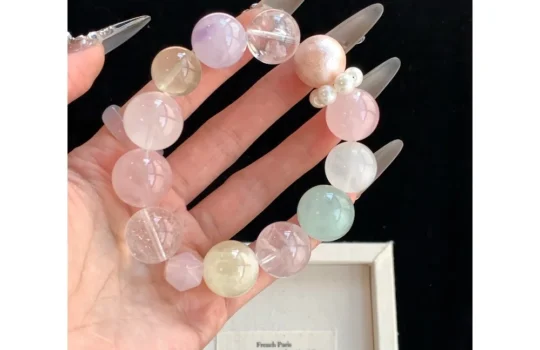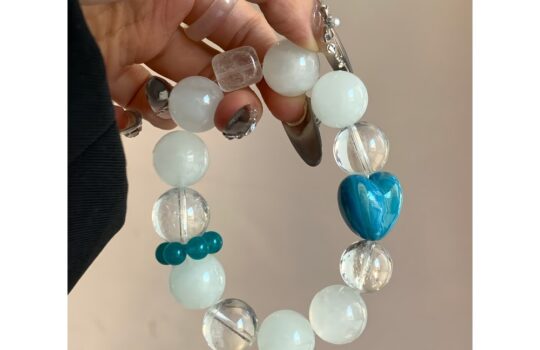
Crystal bracelets should be protected from high temperatures and direct sunlight for maintenance
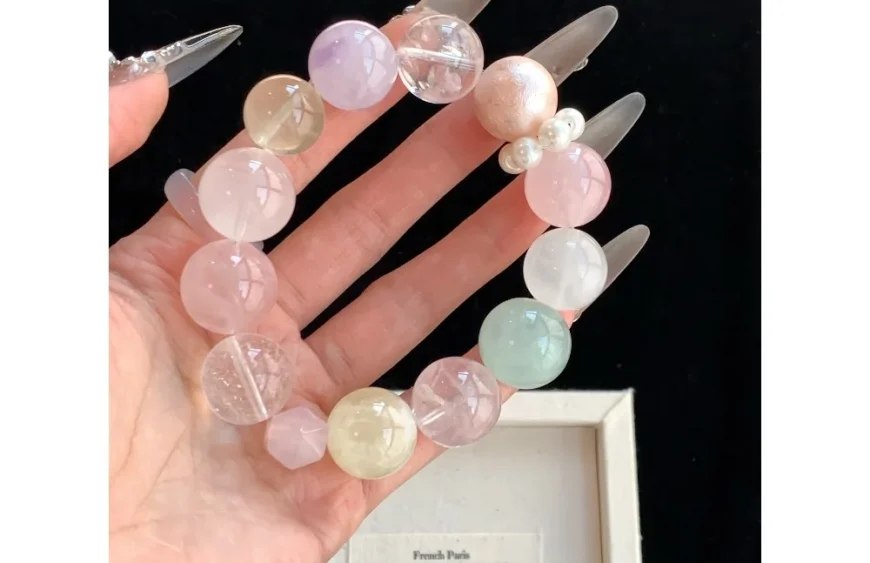
Protecting Your Crystal Bracelet from High Heat and Sun Exposure
Crystal bracelets are prized for their beauty and, for many, their energetic properties, but prolonged exposure to heat and sunlight can damage both their appearance and structure. Understanding how to shield your piece from these elements ensures it stays vibrant and intact for years. Here’s what you need to know.
Why High Heat and Sunlight Are Harmful
Color Fading in Sensitive Crystals
Certain crystals, like amethyst, rose quartz, and fluorite, are prone to fading when exposed to direct sunlight for extended periods. UV rays break down the pigments in these stones, leaving them dull or washed out. Even clear quartz can develop a cloudy appearance under intense heat.
Thermal Shock and Structural Damage
Sudden temperature changes—such as moving a bracelet from a cold room into bright sunlight—can cause thermal shock. This stress may lead to cracks, fractures, or loosened settings, especially in delicate designs. Heat also expands the metal components, risking damage to clasps or bezels.
Energetic Overload and Imbalance
Many believe crystals absorb and store energy. Excessive heat or sunlight can “overcharge” a stone, disrupting its natural balance. This might make the bracelet feel energetically heavy, erratic, or less effective in its intended purpose, like emotional healing or focus enhancement.
Identifying High-Risk Scenarios
Direct Sunlight in Daily Life
Leaving your bracelet on a windowsill, dashboard, or outdoor table exposes it to concentrated sunlight and heat. Even indoor spots near large windows can become surprisingly hot during peak daylight hours, posing a risk to your crystal.
Hot Environments Like Saunas or Cars
Saunas, steam rooms, or enclosed spaces like cars (especially in summer) reach temperatures far beyond what most crystals can tolerate. A bracelet left in a parked car for just 30 minutes can experience temperatures high enough to cause irreversible damage.
Proximity to Heat Sources
Radiators, fireplaces, or even prolonged use of hairdryers or ovens can generate localized heat that affects your bracelet. Avoid wearing it during activities that involve high temperatures, and store it far from appliances that emit warmth.
Practical Steps to Avoid Heat and Sun Damage
Choose Storage Spots Wisely
Store your bracelet in a cool, dark place when not in use. A lined jewelry box, drawer, or cabinet away from windows is ideal. If you must display it, opt for a shadow box or shelf that doesn’t receive direct sunlight, and rotate pieces regularly to minimize exposure.
Use Protective Covers When Outdoors
If you’re wearing your bracelet outside for extended periods, cover it with a lightweight sleeve or scarf during peak sun hours. Alternatively, slip it into a breathable pouch tucked inside a bag until you’re in a shaded area.
Remove It During High-Heat Activities
Take off your bracelet before cooking, gardening, or exercising outdoors. These activities often involve sweat, heat, or direct sun, all of which harm the crystal. Store it in a safe, cool spot until you’re done.
What to Do If Exposure Occurs
Immediate Cooling for Overheated Bracelets
If your bracelet accidentally gets hot (e.g., left in a car), move it to a cooler area gradually. Avoid placing it in cold water or a refrigerator, as rapid cooling can cause thermal shock. Let it adjust to room temperature naturally.
Gentle Cleaning After Sun Exposure
Sunlight can leave residues or oils on the crystal’s surface. After cooling, wipe it gently with a soft, damp cloth to remove any grime. Avoid harsh chemicals or abrasive materials, which might scratch the stone or metal.
Energetic Reset for Overcharged Crystals
If the bracelet feels energetically “off” after heat exposure, cleanse it using a gentle method like smudging with sage or placing it on a selenite charging plate overnight. This helps restore its natural balance without further stressing the material.
Long-Term Prevention Strategies
Educate Yourself on Crystal-Specific Sensitivities
Not all crystals react the same way to heat and light. Research your specific stone’s properties to understand its limits. For example, opal is extremely sensitive to heat, while citrine is more resilient but still benefits from protection.
Create a “Safe Zone” for Frequently Worn Pieces
Designate a spot in your home or bag where your bracelet stays protected when not worn. This could be a small pouch inside a larger handbag or a compartment in your desk drawer. Consistency reduces accidental exposure.
Monitor Environmental Changes Seasonally
Adjust storage and wear habits based on the season. In summer, be extra vigilant about sun exposure and heat sources. In winter, avoid placing the bracelet near radiators or heaters. Regular checks ensure ongoing protection.
By taking proactive steps to avoid high heat and sunlight, you’ll preserve your crystal bracelet’s beauty, structure, and energetic integrity. Thoughtful care keeps it a meaningful and lasting part of your collection.