How to Assess Color Uniformity in Crystal Bracelets: A Practical Visual Guide
The evenness of color in a crystal bracelet is a critical indicator of its natural origin and quality. Authentic crystals often display subtle variations in hue, while synthetic or treated stones may appear overly uniform. Understanding how to evaluate color uniformity helps distinguish genuine crystals from artificial imitations. Below are detailed methods to analyze color distribution without specialized tools.
Natural Color Variations in Authentic Crystals
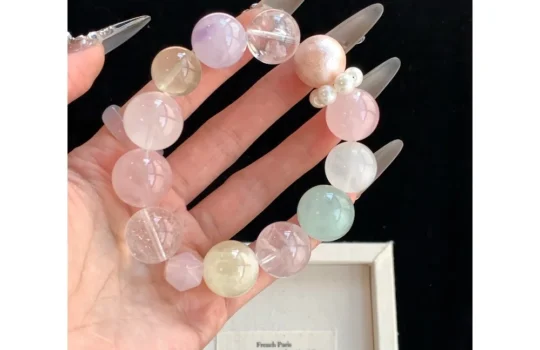
Subtle Gradients: Genuine crystals rarely exhibit perfectly even coloration. For example, rose quartz may transition from a soft, pale pink at the edges to a deeper, warmer tone near the center. Amethyst often shows layers of violet, with some areas appearing more saturated than others. These gradients are organic and irregular, reflecting the crystal’s growth process.
Inclusion-Driven Patterns: Internal inclusions, such as mineral deposits or liquid bubbles, can influence color distribution. In citrine, iron inclusions may create streaks of golden-yellow that blend unevenly into the surrounding crystal. These patterns are asymmetrical and lack the precision of artificial coloration.
Light-Dependent Shifts: The perceived color of a crystal can change under different lighting conditions. Natural crystals may appear lighter in bright sunlight and deeper indoors. Synthetic stones, however, often maintain the same intensity of color regardless of lighting, indicating artificial dyes or coatings.
Visual Inspection Techniques for Color Evenness
Close-Up Examination: Use a magnifying glass or smartphone camera with zoom to inspect the crystal’s surface. Authentic crystals reveal microscopic color variations, such as tiny specks of darker or lighter pigment. Synthetic stones may show uniform color particles or smooth, unnatural blending.
Rotational Analysis: Slowly rotate the bracelet under natural light. Observe how the color shifts and reflects. Genuine crystals display dynamic changes, with certain angles revealing deeper hues or internal sparkles. Artificial stones often appear flat and consistent from all angles.
Edge vs. Center Comparison: Examine the color at the edges of the crystal beads versus the center. Natural crystals frequently have slightly different tones at the extremities due to mineral settling during formation. Synthetic beads tend to have identical coloration throughout.
Physical and Contextual Indicators of Authenticity
Surface Texture Interaction: Gently rub the crystal with a soft cloth. Authentic crystals may retain a faint, natural sheen that enhances their color without appearing glossy. Overly shiny or uniformly reflective surfaces suggest artificial polishing or coatings.
Thermal Influence on Color: Place the bracelet in a cool environment, then hold it in your hand for a minute. Natural crystals may exhibit subtle color changes as they warm up, such as a temporary deepening of hue. Synthetic materials rarely react to temperature shifts in this manner.
Historical and Geological Context: Research the typical color variations for the crystal type. For instance, natural aquamarine often has a bluish-green tint with slight cloudiness, while synthetic versions are vividly blue and transparent. Trust known geological patterns over marketing claims of “perfect” color.
Additional Tips:
- Avoid Over-Polished Stones: Be wary of crystals with an unnaturally smooth or glass-like finish. Authentic stones retain some texture from their formation process.
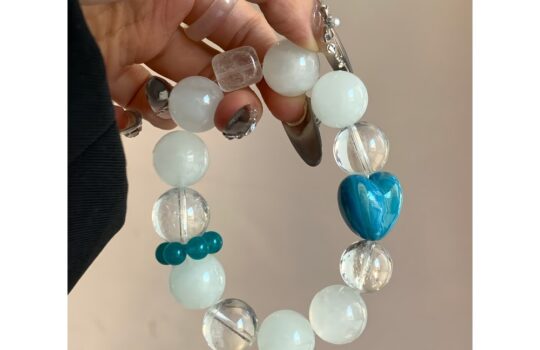
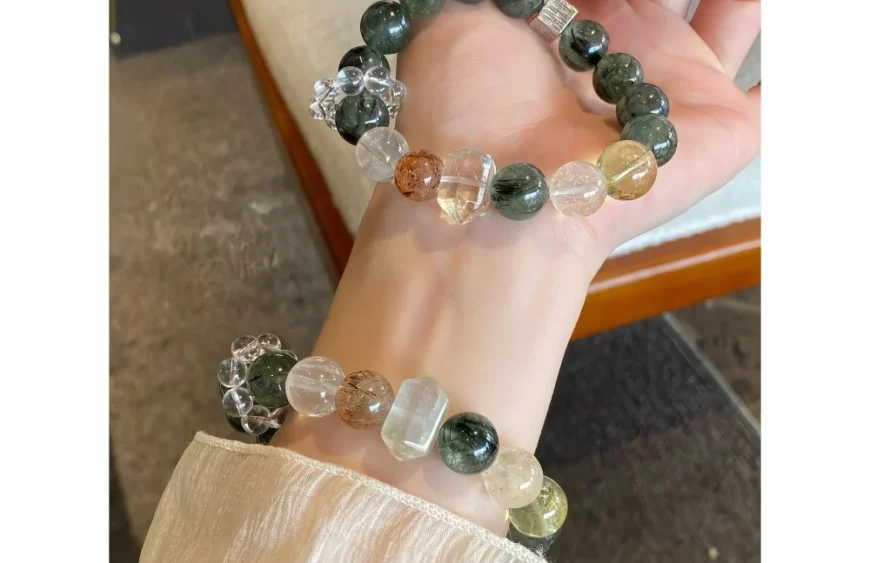
- Check for Consistency Across Beads: If the bracelet features multiple beads, compare their colors. Natural variations should exist, while synthetic beads may look identical.
- Use Indirect Lighting: Soft, diffused light (e.g., near a window) reveals true color uniformity better than harsh direct light, which can create false reflections.
By combining these visual, physical, and contextual checks, you can develop a reliable method for assessing color uniformity in crystal bracelets. Trust your instincts—if a crystal’s color appears too perfect, static, or artificially vibrant, it may not be genuine.