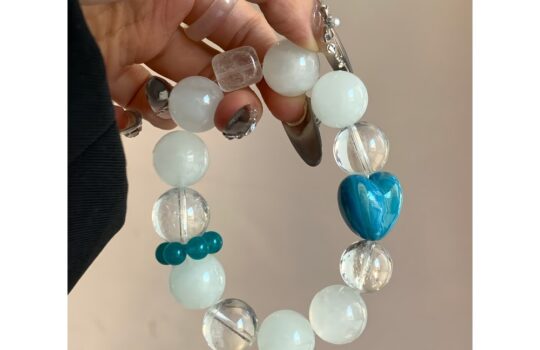

Wearing Crystal Bracelets While Driving: Safety, Comfort, and Practical Considerations
Driving requires full attention and unrestricted movement, but wearing a crystal bracelet can introduce risks if not managed properly. From distractions caused by shifting jewelry to potential damage from steering wheel friction, understanding how to wear a bracelet safely behind the wheel is essential. Here’s how to balance personal style with driving safety.
Choosing a Secure Fit to Avoid Distractions
A loose-fitting bracelet can slide up and down your wrist, catching on the steering wheel, gear shift, or seatbelt. This not only diverts your attention but may also force you to adjust your grip mid-drive, increasing the risk of errors. Elastic bands are particularly prone to stretching during repetitive motions like turning the wheel, while rigid metal bracelets may dig into the skin during prolonged wear.
Opt for a bracelet that fits snugly without constricting blood flow. If the band feels too loose, consider adding a silicone stopper or adjusting the clasp to prevent slippage. For bracelets with dangling elements, like charms or tassels, ensure they’re short enough to avoid getting caught in controls. Test the fit by mimicking driving motions—turning the wheel, shifting gears—to check for comfort and security.
Preventing Interference with Vehicle Controls
Crystal bracelets with protruding edges or large stones can interfere with steering wheel buttons, turn signal levers, or gear shifts. A sharp crystal facet might press uncomfortably into your palm during tight turns, while a bulky design could limit your range of motion. Even small adjustments, like rolling down a window, may become awkward if the bracelet snags on controls.
Before driving, position the bracelet so it rests flat against your wrist, away from frequent contact points. If you wear multiple bracelets, stack them to minimize bulk or remove excess pieces. For vehicles with manual transmissions, ensure the bracelet doesn’t hang over the gear knob, where it could slip off during shifts.
Protecting the Bracelet from Steering Wheel Friction
Constant contact with the steering wheel can wear down elastic bands, scratch crystal surfaces, or loosen metal settings. The heat generated by prolonged gripping may also affect certain stones, causing them to expand or crack. Leather-wrapped steering wheels, while softer, can still transfer oils and dirt to the bracelet over time.
To reduce friction, rotate the bracelet occasionally to distribute wear evenly. If your steering wheel has a textured surface, consider wearing a thin, smooth-banded bracelet to minimize abrasion. After driving, wipe the bracelet with a soft cloth to remove oils or residue. For bracelets with delicate settings, store them in a protective pouch when not in use.
Managing Glare and Visibility Risks
Crystal bracelets with reflective surfaces can create glare on windshields or rearview mirrors, especially in bright sunlight. This distraction may temporarily blind you to traffic signals or pedestrians, increasing the likelihood of accidents. Glossy stones or metallic accents are common culprits, as they catch and reflect light at unpredictable angles.
If glare is a concern, choose matte-finished crystals or bracelets with subdued colors. Adjust your seating position to ensure the bracelet doesn’t align directly with reflective surfaces. During dawn or dusk drives, when glare is most intense, consider removing the bracelet temporarily or pushing it up your arm to reduce reflections.
By prioritizing fit, functionality, and visibility, you can wear a crystal bracelet safely while driving. Simple adjustments, like securing loose elements or choosing low-glare materials, ensure your jewelry complements your journey without compromising safety.