How to Identify Genuine Natural Crystal Bracelets: A Comprehensive Guide
Natural crystal bracelets have long been cherished for their aesthetic appeal and perceived metaphysical properties. However, the market is flooded with synthetic and imitation pieces, making it crucial for buyers to know how to distinguish genuine crystals from fakes. This guide delves into the key indicators of authenticity, covering visual, tactile, and experimental methods to ensure you make an informed purchase.
Visual Inspection Techniques
Color and Texture Analysis
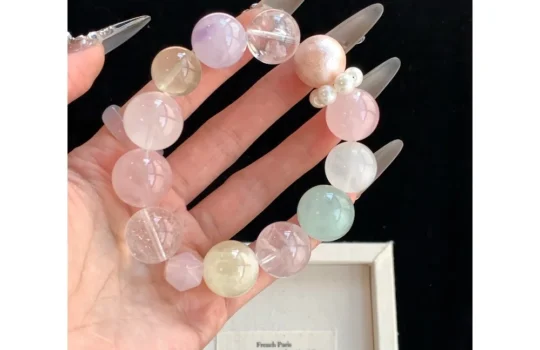
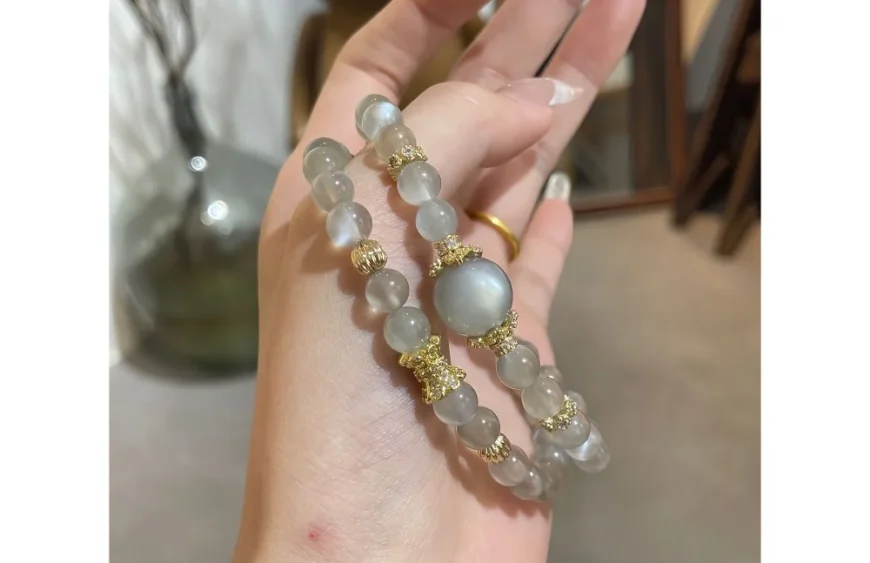
Genuine natural crystals often exhibit subtle color variations and unique internal textures. These imperfections are a hallmark of their organic formation process. For instance, a real quartz crystal bracelet may display faint horizontal striations or wispy inclusions, resembling delicate cotton fibers or clouds. In contrast, synthetic alternatives tend to have overly uniform colors and lack these natural patterns. When examining a bracelet, hold it up to a light source and observe for any signs of artificial coloring or uniformity that suggest a manufactured origin.
Transparency and Light Refraction
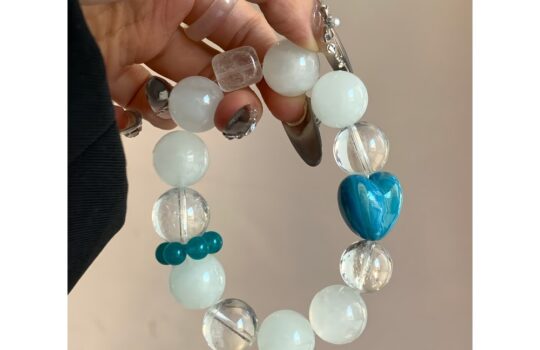
Natural crystals typically possess a high degree of transparency, allowing light to pass through with minimal distortion. Place the bracelet under direct sunlight or a strong artificial light and observe how the light interacts with the stones. Authentic crystals will refract light, creating a sparkling effect, while imitations may appear dull or have uneven light distribution. Additionally, genuine crystals often exhibit double refraction—a phenomenon where a single object viewed through the crystal appears doubled. To test this, place a thin hair or line on a flat surface and view it through the crystal; if two lines are visible, it’s likely genuine.
Tactile and Thermal Properties
Temperature Sensitivity
One of the most distinctive characteristics of natural crystals is their ability to maintain a cool temperature, even in warm environments. When you first pick up a genuine crystal bracelet, it should feel noticeably colder than room temperature. This is due to the crystal’s high thermal conductivity, which allows it to quickly absorb heat from your skin. Hold the bracelet in your hand for a minute or two; if it remains cool, it’s a positive sign of authenticity. Synthetic materials, on the other hand, tend to warm up rapidly and may even feel slightly sticky or warm to the touch.
Weight and Density
Natural crystals are denser than most synthetic materials, giving them a substantial feel in the hand. When comparing two bracelets of similar size, the genuine crystal piece should weigh noticeably more. This is because natural crystals contain trace minerals and impurities that contribute to their overall density. To test this, simply hold the bracelet and assess its heft; if it feels unusually light, it may be a fake.
Experimental Verification Methods
Hardness Test
Natural crystals are relatively hard minerals, ranking between 6 and 7 on the Mohs scale of hardness. This means they can scratch glass and are resistant to scratches from most common materials. To perform a simple hardness test, gently scratch the surface of the crystal with a sharp, non-metallic object like a knife blade or a piece of glass. If the crystal remains unscratched, it’s likely genuine. However, exercise caution when performing this test, as excessive force can damage even authentic crystals.
Sound Test
Another effective way to verify the authenticity of a crystal bracelet is by listening to the sound it produces when tapped or struck. Genuine crystals have a high-pitched, ringing sound due to their rigid crystal lattice structure. Hold the bracelet near your ear and gently tap it with your finger or a small, hard object. If the sound is clear and resonant, it’s a good indication of authenticity. Synthetic materials, in contrast, tend to produce a dull or muted sound when struck.
Magnification Inspection
Using a magnifying glass or a jeweler’s loupe, closely examine the surface and internal structure of the crystals in the bracelet. Authentic crystals often have small, natural flaws such as tiny cracks, inclusions, or growth lines. These imperfections are a result of the crystal’s formation process and are difficult to replicate artificially. Look for these subtle details; if the crystals appear flawless or have uniform, artificial-looking patterns, they may be synthetic.
Additional Considerations for Buyers
Source and Certification
When purchasing a natural crystal bracelet, it’s advisable to buy from reputable sources that specialize in genuine gemstones. Look for sellers who provide detailed information about the origin and quality of their crystals. Additionally, consider asking for a certificate of authenticity or a gemological report from a recognized laboratory. These documents can provide valuable assurance about the bracelet’s genuine nature.
Personal Intuition and Energy
While scientific methods are reliable for identifying genuine crystals, many people also rely on their intuition and the perceived energy of the stones. Some believe that natural crystals emit a unique vibrational frequency that can be felt when held or worn. If you’re drawn to a particular bracelet and feel a sense of calm or positivity when wearing it, this may be an additional indicator of its authenticity. However, it’s important to note that this method is subjective and should be used in conjunction with other verification techniques.