How to Identify a Transparent and Impurity-Free Crystal Bracelet: A Comprehensive Guide
When selecting a crystal bracelet, the pursuit of transparency and purity is often a top priority for buyers. However, the market is flooded with imitations, making it crucial to master effective identification techniques. This guide delves into practical methods to distinguish genuine transparent crystal bracelets from synthetic alternatives, focusing on physical properties, optical characteristics, and structural details.
Visual Inspection Under Light
Observing Internal Structures
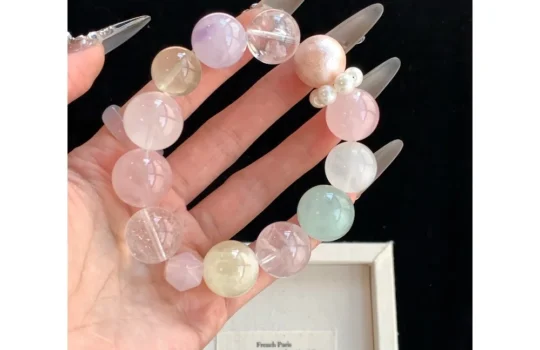
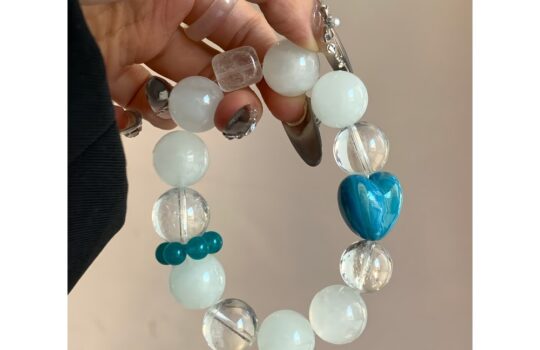
Natural crystal bracelets, even those with high transparency, often contain subtle internal features. These may include wispy inclusions resembling cotton fibers, faint horizontal lines, or minor cracks known as “ice fractures.” These imperfections are natural markers of crystal formation over millions of years. In contrast, synthetic or glass imitations tend to appear overly uniform, lacking these organic textures. For instance, a genuine white crystal bracelet might exhibit delicate, cloud-like inclusions visible only under strong light, while a glass replica would remain consistently clear or contain artificial bubbles.
Color Consistency and Natural Variations
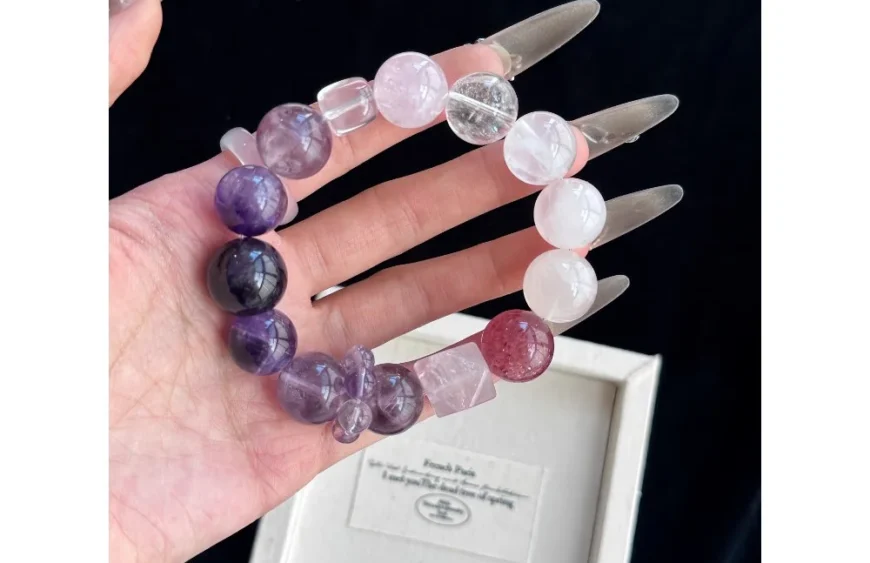
High-quality natural crystals display a harmonious color distribution with subtle shifts under different lighting conditions. For example, a purple amethyst bracelet may appear deeper in hue under direct sunlight and softer under indoor lighting. Synthetic versions, however, often feature uniform, overly vibrant colors that lack depth. If a bracelet’s color seems artificially enhanced or remains unchanged across lighting environments, it is likely a counterfeit.
Physical Property Tests
Thermal Conductivity Assessment
Crystal’s superior thermal conductivity is a reliable indicator of authenticity. Hold the bracelet in your hand for 2–3 minutes: genuine crystal retains a cool, lingering sensation, while glass or plastic imitations quickly warm to body temperature. This property stems from crystal’s molecular structure, which efficiently dissipates heat. For a more controlled test, place the bracelet on a cold surface and monitor its temperature retention—natural crystal will remain cooler longer than synthetic materials.
Hardness Verification
Crystal ranks 7 on the Mohs hardness scale, allowing it to scratch glass without sustaining damage. Gently rub the bracelet against a glass surface: if it leaves a mark, it is likely genuine. Conversely, if the bracelet itself shows scratches or the glass remains unmarked, the item is probably fake. Exercise caution with polished bracelets to avoid surface damage during testing.
Advanced Optical Techniques
Double Refraction Phenomenon
Crystal’s unique double refractive property creates a visual effect where objects viewed through it appear doubled. To test this, place a single strand of hair or a thin line of text beneath the bracelet and observe through the crystal. If the image splits into two, the bracelet is authentic; a single, undistorted image indicates a synthetic material. This method is particularly effective for distinguishing crystal from glass, which lacks double refraction.
Polarized Light Analysis
Using a polarizing filter or smartphone polarizing app, rotate the bracelet 360 degrees while observing light transmission. Genuine crystal will exhibit alternating bright and dark patterns due to its birefringent nature, while synthetic materials show uniform brightness or irregular dark bands. This technique requires steady lighting but provides definitive results for advanced verification.
Structural and Craftsmanship Clues
Surface Texture and Polishing
Natural crystal bracelets often retain subtle growth lines or minor surface irregularities from their formation process. These features are polished away in high-end jewelry but may still be detectable under magnification. Synthetic alternatives, however, frequently display overly smooth surfaces or uniform patterns indicative of machine production. Examine the bracelet’s edges and inner curves for signs of natural texture versus artificial perfection.
Weight and Density Comparison
Crystal’s density (2.61–2.67 g/cm³) exceeds that of glass (2.55 g/cm³), making genuine bracelets noticeably heavier for their size. Hold the item alongside a known glass object of similar dimensions: if the crystal feels denser, it is likely authentic. This method is less precise for small bracelets but useful for comparing larger pieces.
Avoiding Common Pitfalls
Beware of “Perfect” Specimens
While high-grade crystals approach transparency, absolute flawlessness is rare in nature. Bracelets marketed as completely impurity-free are often synthetic or heavily treated. Even top-tier natural crystals may contain microscopic inclusions visible only under magnification, which do not detract from their value but serve as authenticity markers.
Synthetic Crystal Variants
Advanced manufacturing techniques produce synthetic crystals with properties mimicking natural ones. These imitations may pass basic tests but lack the energy and metaphysical properties attributed to genuine crystals. For peace of mind, seek certifications from reputable gemological laboratories when purchasing high-value items.
By combining these visual, physical, and optical tests, buyers can confidently navigate the market for transparent crystal bracelets. Whether drawn to their aesthetic beauty or metaphysical significance, ensuring authenticity enhances both the value and experience of owning these timeless treasures.