Crystal Bangle Try-On Experience: Key Considerations for a Perfect Fit
Trying on crystal bangles involves more than just checking size—it’s about assessing comfort, aesthetic harmony, and how the piece interacts with your daily movements. Whether shopping in person or testing options at home, these factors ensure you find a bangle that feels as good as it looks.
1. Understanding Your Wrist Anatomy
The first step to a flawless try-on is knowing your wrist’s unique shape and size.
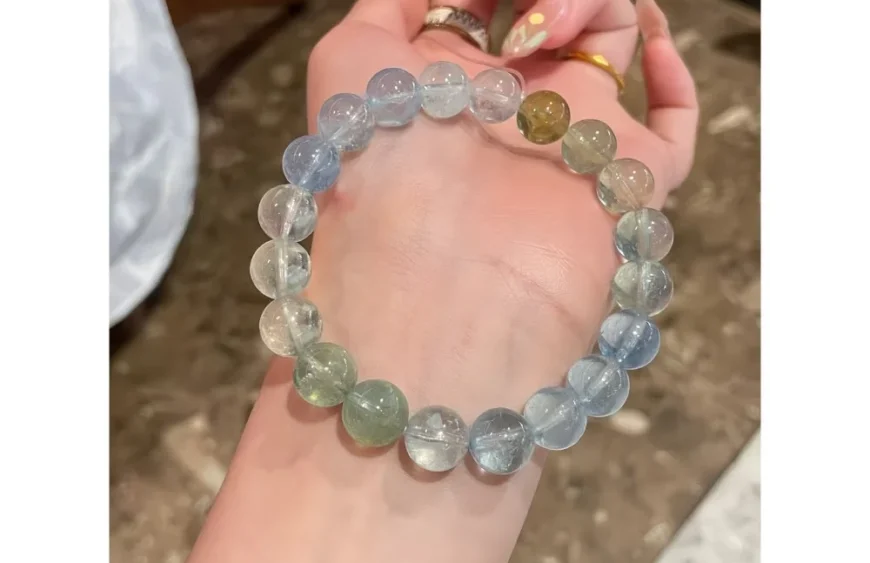
- Measure Accurately: Use a flexible measuring tape to determine your wrist circumference. Avoid guessing, as even a 0.5-inch difference can affect fit. For a snug but comfortable feel, add 0.25–0.5 inches to your measurement when selecting adjustable or elasticated styles.
- Assess Bone Structure: People with prominent wrist bones may prefer bangles with a slightly wider opening or flexible materials like silicone or braided cords, which mold to the wrist without digging in.
- Consider Flexibility: Rigid metal bangles require precise sizing, while elastic or hinged designs offer more leeway. If trying a rigid style, simulate daily movements (e.g., typing, lifting) to check for restrictions.
2. Comfort Over Aesthetics: Prioritizing Wearability
A stunning bangle loses its charm if it causes discomfort. Pay attention to these details during your try-on:
- Weight Distribution: Heavy crystals or thick bands can feel cumbersome over time. Opt for lightweight materials like resin or hollow metal if you plan to wear the bangle daily.
- Edge Smoothness: Rough or unpolished edges may irritate the skin, especially during movement. Run your finger along the inner and outer edges to check for sharpness.
- Temperature Sensitivity: Metals like silver or copper can feel cold initially but adjust to body temperature quickly. If you dislike the chill, consider wooden or acrylic bangles, which stay neutral.
3. Layering Dynamics: Testing Compatibility with Other Jewelry
Crystal bangles often shine brightest when stacked, but not all combinations work seamlessly.
- Spacing and Proportion: Leave at least 0.5 inches between bangles to prevent clinking and ensure each piece is visible. Mix wide and narrow styles for balance—for example, pair a chunky crystal bangle with two delicate chains.
- Material Interaction: Avoid stacking metals that tarnish easily (e.g., brass) with crystals prone to scratches (e.g., rose quartz). If combining, place softer materials on top to minimize contact.
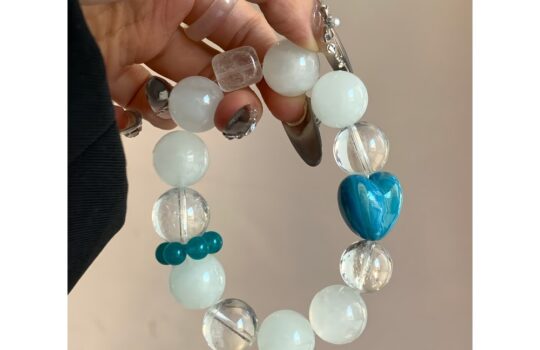
- Color Coordination: Experiment with monochromatic schemes (e.g., all clear crystals) or contrasting hues (e.g., amethyst with citrine). Use a color wheel app to test harmonious or bold pairings virtually before committing.
4. Movement and Functionality: Ensuring Practicality
A bangle should complement your lifestyle, not hinder it.
- Activity Simulation: Wear the bangle while performing routine tasks like washing hands, typing, or exercising. Check for slippage, pinching, or noise—issues that may worsen over time.
- Clasp Reliability: If the bangle has a hinged or snap closure, open and close it multiple times to test durability. Avoid designs with flimsy clasps if you’re active or plan to wear the piece daily.
- Adjustability Features: For elastic or cord-based bangles, stretch gently to assess resilience. Overstretching can lead to a loose fit, while understretching may cause discomfort.
5. Lighting and Context: Seeing the Bangle in Real-World Settings
The way a crystal bangle looks under store lighting may differ from natural daylight or indoor settings.
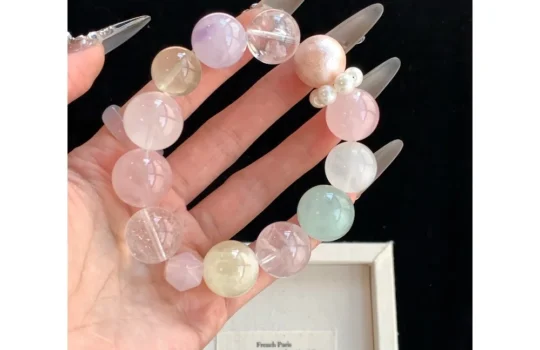
- Natural Light Test: Step outside or near a window to observe how the crystal reflects light. Some stones (e.g., labradorite) reveal their iridescence only in bright, indirect light.
- Background Contrast: Place your wrist against different surfaces (e.g., dark clothing, neutral walls) to gauge the bangle’s visibility. Bold colors pop against muted tones, while translucent designs may disappear on busy patterns.
- Time of Day: Crystals can appear warmer or cooler depending on the time of day. Try the bangle at various hours to ensure you love its hue in all lighting conditions.
Final Thoughts
A successful crystal bangle try-on hinges on balancing aesthetics, comfort, and practicality. By evaluating wrist anatomy, layering potential, and real-world wearability, you’ll find a piece that enhances your style without sacrificing function. Remember to test thoroughly—even a minor irritation or misalignment can turn a beloved accessory into a shelf ornament.