How to Select a Crystal Bracelet with Minimal Ice Cracks: A Practical Guide
When shopping for a crystal bracelet, the presence of ice cracks—tiny, wispy fractures within the stone—can significantly impact its appearance and perceived quality. While some buyers seek pieces with subtle ice cracks for their natural charm, others prefer bracelets with minimal visible flaws. This guide explores key factors to consider when selecting a crystal bracelet with few ice cracks, focusing on transparency, crack patterns, and structural integrity.
Understanding Ice Cracks in Crystal Bracelets
Natural Formation vs. Manufacturing Flaws
Ice cracks in crystals are often the result of natural geological processes, such as rapid cooling or pressure changes during formation. These cracks are typically thin, translucent, and irregularly shaped, adding character to the stone. However, excessive or large cracks may indicate structural weakness or damage during cutting and polishing. When inspecting a bracelet, look for cracks that are fine and dispersed rather than concentrated in one area, as the latter may compromise durability.
Types of Ice Cracks and Their Impact
Not all ice cracks are created equal. Some are barely visible under normal lighting, appearing only when light hits the stone at certain angles. These subtle cracks are often considered acceptable and even desirable for their organic aesthetic. On the other hand, deep or wide cracks can disrupt the bracelet’s visual flow and make it more prone to breaking. Hold the bracelet under bright light and rotate it to assess the extent and visibility of any cracks.
Evaluating Transparency and Clarity
Light Transmission and Internal Purity
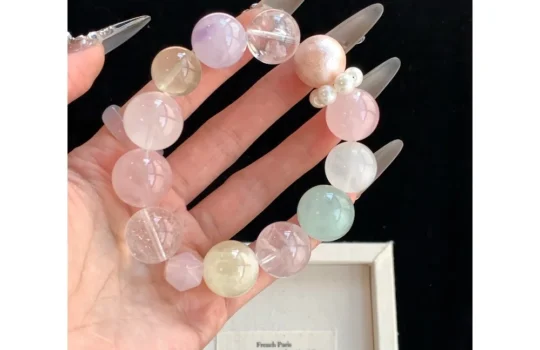
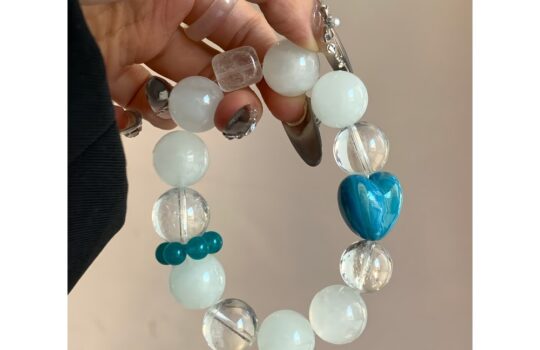
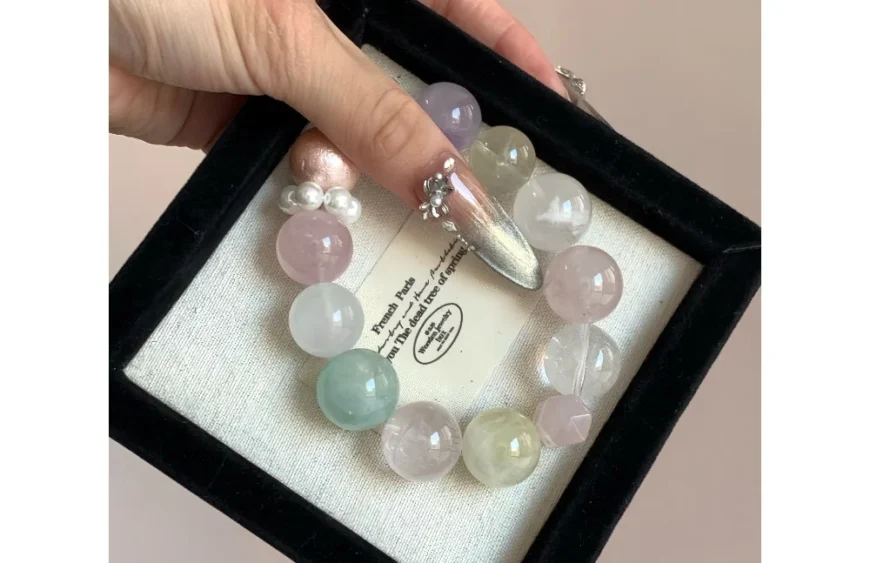
A crystal bracelet with minimal ice cracks should allow light to pass through with minimal obstruction. To test this, hold the bracelet up to a light source and observe how evenly the light distributes. Genuine high-clarity crystals will appear bright and luminous, with only faint shadows cast by natural inclusions. If the stone looks dull or has large opaque areas, it may contain excessive cracks or other impurities.
The Role of Color in Concealing Cracks
Darker-colored crystals, such as deep amethyst or smoky quartz, can sometimes mask minor ice cracks better than lighter stones like clear quartz or citrine. This doesn’t mean darker crystals are inherently superior, but rather that their hue may make cracks less noticeable. If you prefer a lighter-colored bracelet, pay extra attention to its clarity, as cracks are more likely to stand out against a pale background. Examine the stone from multiple angles to ensure cracks don’t become more visible under different lighting conditions.
Assessing Structural Integrity
Crack Location and Bracelet Design
The position of ice cracks within a bracelet is crucial for its longevity. Cracks near the edges or bead holes are particularly concerning, as these areas are already stress points due to stringing or setting. A bracelet with cracks running parallel to the beads’ circumference is generally more stable than one with cracks radiating outward from the center. Gently flex the bracelet to see if any cracks widen or shift—this could indicate weak spots that may worsen over time.
Polishing and Surface Finish
A well-polished crystal bracelet not only looks more refined but also helps minimize the appearance of ice cracks. High-quality polishing smooths out the stone’s surface, reducing light scattering caused by rough edges around cracks. Run your fingers along the beads to check for smoothness—any rough patches may highlight underlying cracks or indicate poor craftsmanship. Additionally, a glossy finish can reflect light in a way that makes cracks less noticeable.
Practical Tips for Inspection
Using Magnification for Close Examination
A jeweler’s loupe or a magnifying glass is invaluable for spotting tiny ice cracks that are invisible to the naked eye. Inspect each bead individually, paying close attention to areas where cracks are likely to form, such as near drilled holes or along natural cleavage planes. Look for cracks that are thin and hair-like rather than thick and jagged—the former are less likely to affect the stone’s strength.
Comparing Multiple Pieces
If possible, examine several crystal bracelets side by side to get a sense of what constitutes “minimal ice cracks” for that type of stone. This comparison can help you set realistic expectations and avoid settling for a piece with more flaws than necessary. Keep in mind that no crystal is entirely free of imperfections, but the goal is to find one where cracks are subtle and don’t detract from the overall beauty.
Common Misconceptions About Ice Cracks
Ice Cracks vs. Healing Lines
Some buyers confuse ice cracks with healing lines, which are natural features formed when a crystal grows around an obstacle and later incorporates it into its structure. Healing lines are often smoother and more linear than ice cracks, and they don’t compromise the stone’s integrity. In fact, healing lines are sometimes seen as a sign of a crystal’s resilience. Learn to distinguish between these features to avoid misjudging a bracelet’s quality.
The Myth of “Perfect” Crystals
The idea of a completely flawless crystal bracelet is largely unrealistic, especially for larger or more affordable pieces. Even high-end crystals contain some form of internal feature, whether it’s a tiny crack, a mineral inclusion, or a growth line. Instead of seeking perfection, focus on finding a bracelet where any ice cracks are minimal, well-distributed, and don’t overpower the stone’s natural beauty.
By considering these factors—transparency, structural integrity, and practical inspection techniques—you can confidently select a crystal bracelet with minimal ice cracks. Whether you’re drawn to the stone’s metaphysical properties or its aesthetic appeal, choosing a well-crafted, subtlely flawed piece ensures you’ll enjoy its beauty for years to come.