
How to Choose a Crystal Bracelet with Even Color Distribution: A Detailed Guide
When selecting a crystal bracelet, achieving a harmonious and consistent color across all beads is often a top priority. Uneven coloring can disrupt the visual appeal, making the piece look patchy or artificial. This guide explores essential factors to consider when evaluating the color uniformity of crystal bracelets, focusing on natural variations, lighting effects, and craftsmanship.
Understanding Natural Color Variations in Crystals
The Role of Mineral Inclusions and Growth Patterns
Crystals derive their color from trace minerals and impurities trapped during their formation. These elements can create subtle shifts in hue, even within the same type of stone. For example, amethyst gets its purple color from iron, while citrine’s yellow tones come from iron oxide. Natural crystals rarely exhibit perfect color uniformity, as mineral distribution varies throughout the stone. Instead of expecting absolute consistency, look for a bracelet where color transitions are gradual and blend seamlessly between beads.
Color Zoning: Natural vs. Undesirable
Some crystals, like amethyst or fluorite, naturally display color zoning—bands or layers of different shades within the same stone. This zoning is a hallmark of genuine crystals and adds depth to their appearance. However, excessive or abrupt zoning can make a bracelet look mismatched. When inspecting a piece, check whether the color zones are evenly distributed across all beads or if certain beads stand out due to stark contrasts. A well-crafted bracelet will balance these zones for a cohesive look.
Evaluating Color Under Different Lighting Conditions
The Impact of Natural vs. Artificial Light
Lighting plays a crucial role in how a crystal bracelet’s color appears. Natural sunlight reveals the truest tones, highlighting subtle undertones and variations. Artificial lighting, especially fluorescent or LED lights, can alter colors, making them appear cooler or warmer than they are. To assess a bracelet’s color evenly, examine it in both natural daylight and indoor lighting. A piece that looks vibrant in sunlight but dull indoors may have color inconsistencies that become more apparent in certain settings.
How Angle and Intensity Affect Color Perception
The angle at which light hits a crystal can also influence its color. Some stones, like labradorite or moonstone, exhibit iridescence—a play of colors that shifts depending on the viewing angle. While this effect is desirable in certain crystals, it can make color uniformity harder to judge. For a bracelet with even coloring, ensure that the base hue remains consistent regardless of how you tilt or rotate it. Avoid pieces where colors flicker or change dramatically with movement, as this indicates uneven pigment distribution.
Craftsmanship and Bead Selection Techniques
Matching Beads for Color Consistency
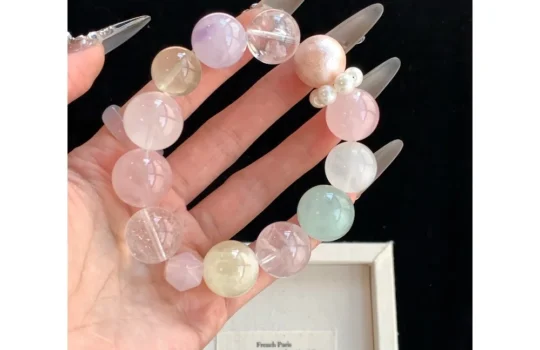
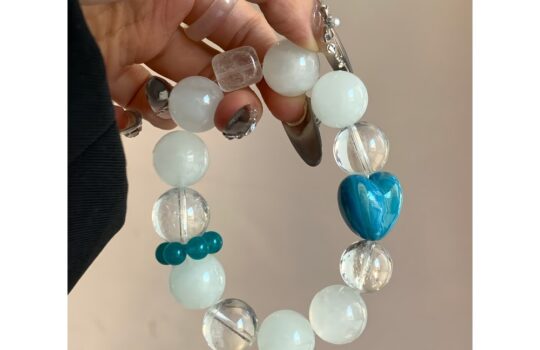
Creating a bracelet with even color requires careful bead selection. Artisans often sort through dozens of stones to find beads that match closely in hue, saturation, and tone. When inspecting a bracelet, look for beads that share a similar color intensity—neither too light nor too dark compared to their neighbors. Even small differences in shade can create a disjointed appearance, especially in smaller or more delicate designs. A high-quality bracelet will feature beads that complement each other without overpowering one another.
The Importance of Bead Shape and Size
Bead shape and size can subtly affect color perception. Round beads tend to reflect light more evenly, making color inconsistencies less noticeable than in faceted or irregularly shaped beads. Similarly, larger beads may display more color variation simply because they cover a greater surface area. If you prefer a bracelet with uniform coloring, opt for smaller, smoothly polished beads that minimize light distortion. Alternatively, embrace the natural beauty of larger, faceted beads but ensure their color variations are intentional and aesthetically pleasing.
Practical Tips for Inspection and Comparison
Using a Color Reference Tool
A color reference card or a smartphone app designed for color matching can help you objectively evaluate a bracelet’s hue. Compare each bead to the reference shade to identify any outliers. This method is particularly useful when shopping online or in stores with variable lighting. Keep in mind that natural crystals will never match a reference perfectly, but the goal is to minimize noticeable deviations.
Comparing Multiple Bracelets Side by Side
If possible, examine several crystal bracelets of the same type at once. This allows you to see the range of natural color variations within that stone and set realistic expectations. A bracelet with evenly distributed color will stand out as more cohesive compared to others with patchy or inconsistent hues. Don’t hesitate to ask the seller to display multiple pieces together for easier comparison.
Common Misconceptions About Color Uniformity
The Myth of “Perfect” Color Matching
No crystal bracelet will have absolutely identical beads, as natural stones inherently contain variations. Even dyed or treated crystals may show subtle differences due to uneven absorption of pigments. Instead of seeking perfection, focus on finding a piece where color inconsistencies are minimal and harmonious. A bracelet with slight variations can still look stunning if the overall effect is balanced and intentional.
Enhanced vs. Natural Color Uniformity
Some crystals undergo treatments to improve color uniformity, such as heat treatment for amethyst or dyeing for agate. While these methods can create more consistent hues, they may also reduce the stone’s natural energy or authenticity. If you prefer untreated crystals, be prepared to accept some level of color variation as part of their charm. Always ask the seller about any treatments if transparency is important to you.
By considering these factors—natural color variations, lighting effects, craftsmanship, and practical inspection techniques—you can confidently select a crystal bracelet with even color distribution. Whether you’re drawn to the stone’s metaphysical properties or its aesthetic appeal, choosing a well-matched piece ensures you’ll enjoy its beauty for years to come.