How to Select a High-Clarity Crystal Bracelet: A Comprehensive Guide
Crystal bracelets, with their ethereal beauty and symbolic significance, have become a popular choice for jewelry enthusiasts. When selecting a high-clarity crystal bracelet, understanding the nuances of quality evaluation and authenticity verification is crucial. This guide delves into the key factors to consider, ensuring you make an informed decision.
Clarity and Internal Characteristics
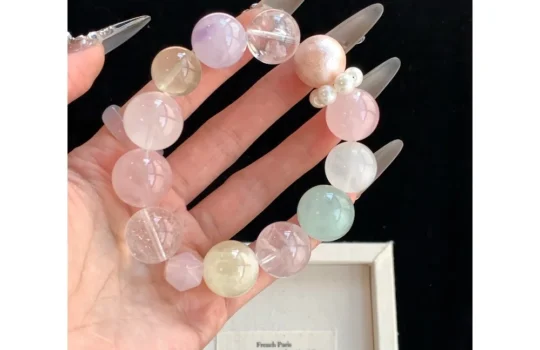
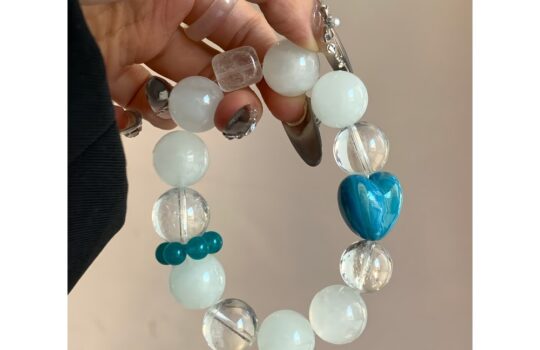
The clarity of a crystal bracelet is a primary indicator of its quality. High-clarity crystals exhibit minimal internal flaws, such as cracks, cloudy patches, or foreign inclusions. To assess clarity:
- Inspect under direct light: Hold the bracelet against a light source and observe its transparency. High-quality crystals should allow light to pass through with minimal obstruction, revealing a clean, glass-like appearance.
- Look for natural inclusions: While flawless crystals are rare, some inclusions, like delicate wisps or tiny mineral deposits, can enhance a crystal’s uniqueness. These natural features are often a sign of authenticity, as synthetic alternatives tend to lack such imperfections.
- Avoid visible cracks: Cracks, especially those that disrupt the crystal’s structure, can compromise its durability and aesthetic appeal. Examine the bracelet from all angles to ensure no cracks are present.
Color Intensity and Uniformity
Color plays a significant role in determining a crystal’s value and energy properties. For high-clarity bracelets:
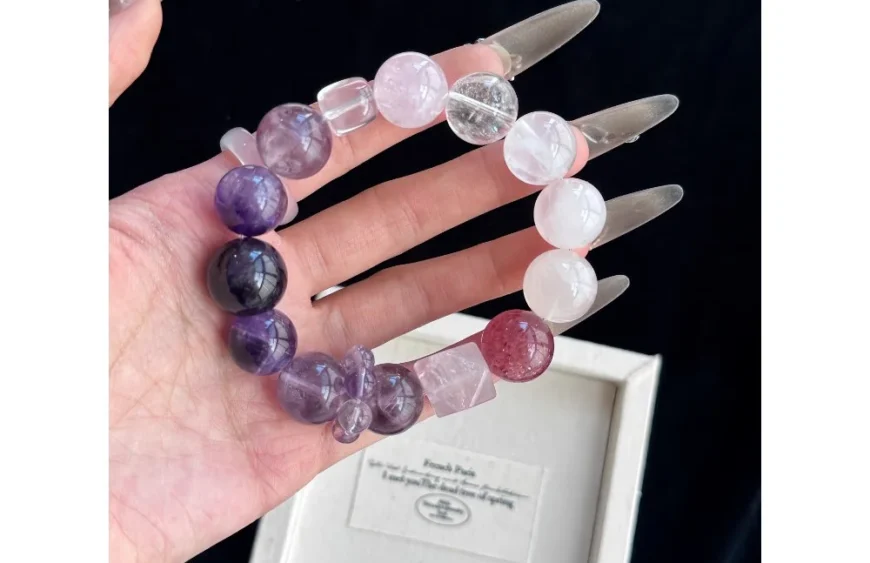
- Opt for vibrant hues: Rich, saturated colors, such as deep purple amethyst or vivid pink rose quartz, indicate high-quality crystals. Avoid bracelets with dull or washed-out tones, as they may lack the desired vibrancy.
- Check for uniformity: The color should be evenly distributed throughout the crystal. Inconsistencies or patches of discoloration may suggest artificial enhancement or lower-grade material.
- Consider light interaction: Natural crystals often exhibit subtle color shifts under different lighting conditions. For example, amethyst may appear more purple in natural light and slightly reddish under incandescent bulbs. This dynamic quality is a hallmark of genuine crystals.
Authenticity Verification Techniques
Distinguishing between genuine crystals and synthetic imitations requires a keen eye and some simple tests:
- Thermal conductivity test: Genuine crystals feel cool to the touch and retain their temperature longer than synthetic materials. Place the bracelet against your wrist or cheek; if it warms up quickly, it may be a fake.
- Hardness test: Crystals rank 7 on the Mohs scale, meaning they can scratch glass. Gently press the bracelet against a glass surface; if it leaves a mark, it’s likely authentic. However, exercise caution to avoid damaging the crystal.
- Double refraction test: Many crystals, such as quartz, exhibit double refraction. Place a thin strand of hair or a line of text beneath the crystal and observe through it. If the image appears doubled, the crystal is genuine.
- Magnification inspection: Use a 10x magnifying glass to examine the bracelet for air bubbles or mold marks, which are common in glass imitations. Genuine crystals will not have these features.
Craftsmanship and Structural Integrity
Beyond the crystal itself, the bracelet’s design and construction influence its overall quality:
- Shape and symmetry: A well-crafted bracelet will feature uniformly shaped beads or links with smooth edges. Irregularities or rough patches may indicate poor workmanship.
- Polishing and finish: High-quality bracelets undergo meticulous polishing to achieve a glossy, reflective surface. Dull or uneven finishes can detract from the crystal’s natural beauty.
- Strand consistency: For beaded bracelets, ensure the beads are of similar size and shape. Inconsistencies can create an unbalanced appearance and affect the bracelet’s durability.
Practical Considerations for Wearability
Finally, consider how the bracelet will fit and function in daily life:
- Sizing: Measure your wrist circumference and choose a bracelet that fits comfortably without being too tight or loose. A well-fitted bracelet is less likely to slip off or cause discomfort.
- Closure type: Opt for secure closures, such as lobster clasps or adjustable knots, to prevent accidental loss. Avoid bracelets with flimsy or difficult-to-use fastenings.
- Lifestyle compatibility: If you lead an active lifestyle, select a durable crystal variety, such as quartz or agate, which are less prone to chipping. Delicate crystals, like opal or fluorite, may require more careful handling.
By prioritizing clarity, color, authenticity, craftsmanship, and wearability, you can confidently select a high-quality crystal bracelet that not only enhances your style but also resonates with your personal energy and intentions.