How to Select a Crystal Bracelet Based on Clarity and Transparency
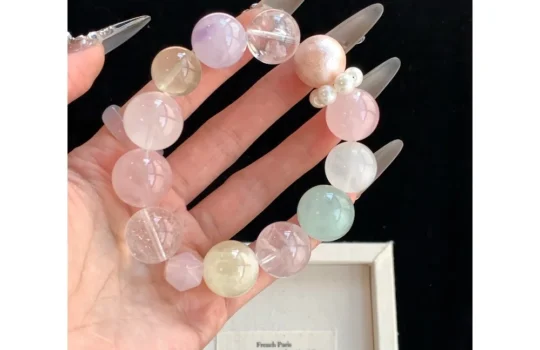
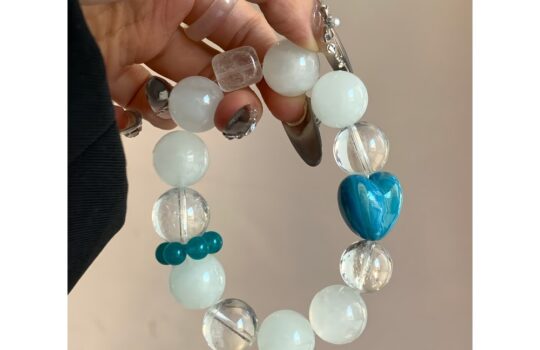
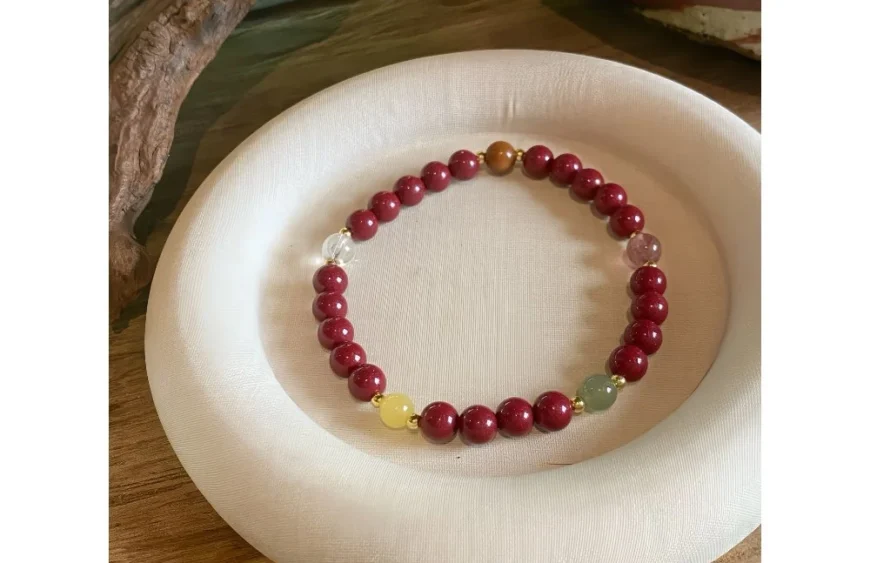
Choosing a crystal bracelet involves evaluating its clarity, which reflects light transmission and internal purity. Authentic crystals often feature natural inclusions, while imitations or lower-quality stones may appear overly perfect or artificial. Understanding how clarity impacts aesthetics and authenticity helps you make informed decisions when selecting a piece.
Natural Inclusions vs. Artificial Perfection in Crystal Clarity
Genuine crystals form under geological pressure, leading to unique internal structures that include tiny fractures, mineral veins, or air bubbles. These inclusions, often called “flaws” by some, are natural markers of authenticity. For example, amethyst may contain reddish hematite streaks, while rose quartz often has cloudy or milky patches. These features scatter light, creating depth and character that imitations lack.
Imitation crystals, typically made from glass or synthetic materials, are engineered to appear flawless. They lack the organic irregularities of natural stones, resulting in a uniform, glass-like transparency. While some buyers prefer perfectly clear stones, this trait is rare in genuine crystals and should raise suspicion when shopping. A bracelet with zero inclusions may be artificial unless it’s a rare, high-grade specimen explicitly labeled as such.
The type and placement of inclusions also matter. Natural crystals may have inclusions concentrated in certain areas, such as near the edges or center, while imitations often display random, unnatural patterns. Use a magnifying glass or loupe to inspect the stone’s interior. If inclusions appear symmetrical or evenly distributed, the piece may be manufactured rather than mined.
Light Transmission and Its Impact on Visual Appeal
Clarity directly affects how light interacts with a crystal bracelet. High-clarity stones transmit light efficiently, creating a bright, vibrant appearance. However, excessive transparency can sometimes make a bracelet look dull or lifeless, especially if it lacks internal complexity. Authentic crystals strike a balance between clarity and internal interest, allowing light to refract through inclusions for a dynamic, shimmering effect.
Low-clarity crystals, such as those with heavy inclusions or cloudy patches, scatter light in multiple directions, producing a softer, more ethereal glow. These stones are often prized for their mystical or healing properties, as their appearance aligns with traditional beliefs about energy flow. When selecting a bracelet, consider whether you prefer a bold, refractive look or a subtle, diffused shine.
The cut of the beads also influences light transmission. Hand-cut crystals may have uneven facets that enhance light play, while machine-cut imitations often feature uniform, flat surfaces that limit brilliance. Hold the bracelet under different lighting conditions—natural sunlight, indoor bulbs, or flashlight—to observe how its clarity changes. Authentic stones will display varying degrees of transparency and sparkle depending on the light source.
Contextual Factors Influencing Clarity Preferences
Clarity preferences vary based on cultural traditions, personal style, and intended use. In some spiritual practices, heavily included crystals are believed to carry stronger energy due to their complex internal structures. For example, a rutilated quartz bracelet with golden needle-like inclusions is often associated with manifestation and clarity of purpose, despite its imperfect appearance.
Fashion trends also play a role. Minimalist styles may favor highly transparent crystals for their sleek, modern look, while bohemian or eclectic aesthetics embrace stones with visible inclusions for their organic charm. Consider the occasion when choosing clarity—a clear, polished bracelet might suit formal events, while a rugged, included piece could complement casual outfits.
Geographical origin affects clarity expectations. Crystals from certain regions, like Brazilian amethyst or Himalayan quartz, are known for specific clarity traits. Research the typical appearance of crystals from their source to avoid misconceptions. For instance, some varieties of citrine are naturally cloudy, while others are more transparent; understanding these differences prevents unfair comparisons.
Matching Clarity to Intended Energy or Symbolic Meaning
Many believe crystals carry metaphysical properties tied to their clarity. Clear crystals, such as selenite or clear quartz, are often linked to purification and mental clarity, making them popular for meditation or energy work. Their transparency symbolizes openness and focus, aligning with goals like decision-making or spiritual growth.
Included crystals, like moss agate or tourmalinated quartz, are associated with grounding and protection. Their internal patterns are thought to represent earthy energies or barriers against negativity. When selecting a bracelet for symbolic purposes, prioritize clarity traits that resonate with your intentions. A stone’s appearance can reinforce its perceived power, even if scientific evidence for these beliefs is lacking.
Color zoning—uneven color distribution within a crystal—also influences energy interpretations. For example, ametrine, a blend of amethyst and citrine, features distinct purple and yellow sections. Its clarity varies across these zones, creating a visually striking piece believed to balance opposing forces. Choose a bracelet whose clarity enhances its symbolic narrative, whether you seek harmony, strength, or creativity.
Practical Tips for Assessing Clarity When Shopping
Inspecting clarity in person is ideal, but online shoppers can still make informed choices. Look for high-resolution images that show the bracelet from multiple angles, ideally with close-ups of the beads. Reputable sellers often provide detailed descriptions of clarity traits, such as “slightly included” or “eye-clean” (a term borrowed from gemology meaning no visible inclusions to the naked eye).
Ask sellers about the crystal’s treatment history. Some stones are heat-treated or irradiated to enhance clarity, which may affect their energy properties according to some beliefs. Natural, untreated crystals are generally preferred for metaphysical use, though treated stones can still be aesthetically pleasing.
Finally, trust your intuition. If a bracelet’s clarity feels “off” or its appearance doesn’t match its description, proceed with caution. Authentic crystals have a unique, lived-in quality that imitations struggle to replicate. By combining visual assessment with contextual knowledge, you can select a piece that aligns with both your aesthetic preferences and symbolic needs.