
Crystal Bracelet Cleaning: Common Mistakes to Avoid for Energy Preservation
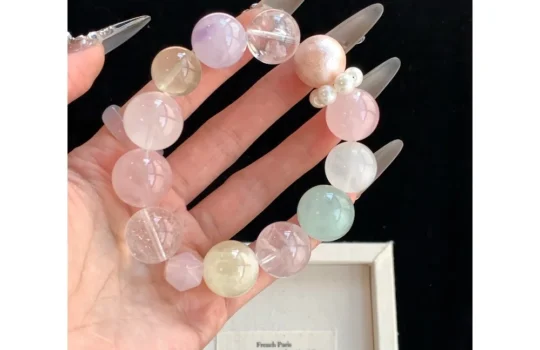
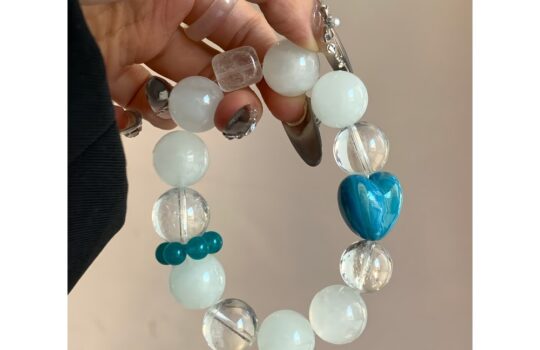
Crystal bracelets accumulate energy from daily wear, environmental factors, and even emotional interactions. Proper cleaning maintains their physical beauty and ensures their metaphysical properties remain balanced. However, certain cleaning methods can damage crystals or strip them of their natural vibrations. Understanding these禁忌 (taboos) helps you care for your bracelet effectively.
Harsh Chemicals and Abrasive Materials
Avoiding Household Cleaners
Many commercial cleaning products contain chemicals like bleach, ammonia, or alcohol, which can corrode delicate crystals or alter their color. For example, exposing amethyst or fluorite to harsh chemicals may fade their vibrant hues or create surface pitting. Instead, opt for gentle, natural alternatives like mild dish soap diluted in water. Use a soft-bristled brush, such as an old toothbrush, to clean crevices without scratching the stone.
Skipping Rough Fabrics or Tools
Abrasive materials like steel wool, rough cloths, or hard brushes can leave microscopic scratches on crystal surfaces, dulling their luster over time. Even seemingly soft materials like paper towels may contain fibers that damage softer stones like selenite or kyanite. When drying your bracelet, use a microfiber cloth or a clean, lint-free cotton fabric to gently pat it dry. For intricate designs, let the bracelet air-dry on a soft surface to avoid manual pressure.
Extreme Temperatures and Environmental Stress
Hot Water and Thermal Shock
Submerging your crystal bracelet in boiling water or exposing it to sudden temperature changes can cause fractures or cracks, especially in stones with internal inclusions or layered structures. For instance, opal or moonstone may develop internal crazing if plunged into hot water after being cold. To clean with water, use lukewarm temperatures and avoid drastic shifts. If your bracelet contains metal components, ensure they’re heat-resistant (e.g., sterling silver) before using warm water.
Prolonged Sun Exposure
While sunlight is often used to charge crystals, leaving your bracelet in direct sunlight for extended periods can fade color-sensitive stones. Amethyst, rose quartz, and aquamarine are particularly vulnerable to UV damage, which may turn them pale or yellowish over time. If you want to charge your bracelet outdoors, place it in a shaded area with indirect light for no more than 30–60 minutes. Alternatively, use moonlight or indoor charging methods like selenite plates to avoid discoloration.
Improper Energetic Cleansing Practices
Overusing Sage or Palo Santo
Smudging with sage or palo Santo is a popular way to clear negative energy, but excessive smoke exposure can leave a sticky residue on crystals or alter their scent permanently. Some stones, like selenite or calcite, are water-soluble and may absorb moisture from smudging rituals, leading to surface erosion. Instead, use brief smudging sessions (5–10 seconds per stone) or opt for alternative methods like sound cleansing with a singing bowl or visualizing white light surrounding the bracelet.
Mixing Incompatible Cleansing Methods
Combining multiple cleansing techniques without understanding their interactions can create energetic conflicts. For example, cleansing a crystal with saltwater (a common method for grounding stones) followed immediately by smudging might overwhelm its energy field, causing instability. If you use saltwater, rinse the bracelet thoroughly with fresh water afterward and let it dry naturally before introducing other cleansing tools. Always research the specific needs of each crystal in your bracelet to avoid counterproductive practices.
Neglecting Stone-Specific Sensitivities
Water-Soluble and Porous Crystals
Some crystals, such as halite (rock salt), selenite, or lepidolite, dissolve or degrade when exposed to water. Even brief contact with moisture can leave these stones cloudy, pitted, or structurally weakened. For water-sensitive bracelets, use dry cleaning methods like smudging, sound, or visualizations. If you’re unsure whether a stone is water-safe, assume it isn’t and err on the side of caution to prevent irreversible damage.
Fragile or Flaky Minerals
Crystals with natural cleavage planes or flaky textures, like mica or gypsum, require extra care during cleaning. Vigorous rubbing or submersion in liquid can cause layers to separate or flake off, ruining the stone’s appearance. For delicate bracelets, hold the crystal gently and use a soft brush dipped in soapy water to clean around the edges. Avoid soaking the entire piece, and focus on spot-cleaning instead.
By avoiding these common cleaning pitfalls, you protect both the physical integrity and energetic purity of your crystal bracelet. Always research the unique properties of each stone in your piece and tailor your cleaning approach to its needs. When in doubt, consult a geologist or experienced crystal practitioner for guidance on safe maintenance practices.