
Evaluating the Value of Crystal Bracelets: Key Factors to Consider
Crystal bracelets are prized for their aesthetic appeal and symbolic significance, but their value varies widely based on intrinsic and extrinsic factors. Understanding these elements can help buyers make informed decisions and collectors appreciate the nuances of their pieces.
1. Clarity and Transparency: The Foundation of Quality
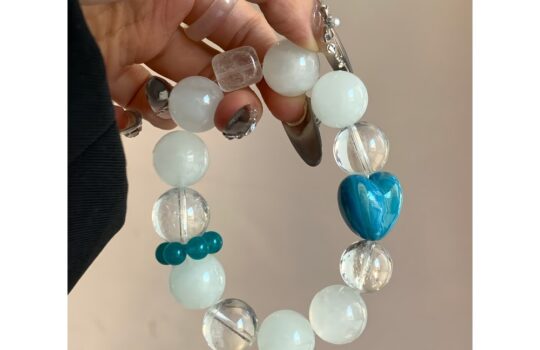
The clarity of a crystal bracelet is often the first indicator of its worth. High-quality crystals resemble glass in their transparency, with minimal internal flaws such as cracks, bubbles, or inclusions. For example, bracelets made from “full-clean” crystals—those without visible impurities—are rarer and command higher value.
However, not all inclusions detract from value. Some crystals, like those with unique internal patterns (e.g., “landscape” or “phantom” crystals), gain rarity and artistic appeal from their imperfections. The key lies in balance: a crystal with strategic inclusions that enhance its visual storytelling may outweigh a flawless but mund counterpart.
Natural light testing is crucial. A crystal that appears dull under artificial lighting but sparkles in sunlight may reveal hidden clarity, while overly bright displays in stores could mask flaws.
2. Color Intensity and Consistency: The Play of Hues
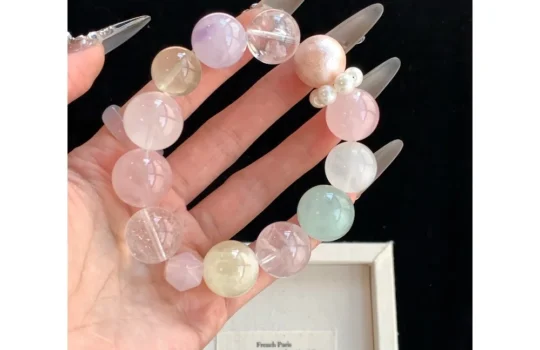
Color is a defining trait in crystal valuation, with depth and uniformity playing pivotal roles. For instance, purple crystals (amethyst) are valued for their rich, velvety tones, while pink crystals (rose quartz) gain prestige from their soft, even saturation.
- Depth vs. Darkness: A common misconception is equating darker shades with higher value. True quality lies in colors that are vivid yet balanced—neither washed out nor overly opaque.
- Consistency: A bracelet with uniform color distribution across all beads is rarer than one with patchy or streaked hues.
- Natural Variation: Some crystals, like those with “zebra” or “banded” patterns, derive value from their natural color zoning, which requires skilled cutting to highlight.
Beware of artificially enhanced colors. Ultraviolet light tests can reveal dyed crystals, which often fluoresce unnaturally compared to their natural counterparts.
3. Craftsmanship and Design: The Art of Transformation
The way a crystal is shaped and polished significantly impacts its value. Masterful craftsmanship elevates a raw stone into a wearable art piece.
- Cutting Precision: Beads cut with symmetrical facets or smooth, rounded edges reflect light more effectively, enhancing brilliance.
- Polishing Techniques: High-gloss finishes indicate advanced polishing, while matte or frosted surfaces may suit specific aesthetic preferences but generally appeal to niche markets.
- Design Complexity: Bracelets featuring intricate wire-wrapping, mixed-material accents, or thematic motifs (e.g., astrological symbols) require greater skill and time, justifying higher prices.
The rise of “designer” crystal jewelry has blurred traditional valuation lines. While mass-produced bracelets rely on crystal quality alone, artisanal pieces derive value from the synergy between material and craftsmanship.
4. Rarity and Provenance: The Story Behind the Stone
A crystal’s origin and scarcity add layers of value. Certain locales, like Madagascar for rose quartz or Brazil for amethyst, are renowned for producing superior specimens. However, provenance alone doesn’t guarantee worth—a common crystal from a famous mine may still be outshone by a higher-grade stone from a lesser-known source.
Rarity also extends to crystal types. Phantom quartz, with its ghost-like internal layers, or rutilated quartz, containing needle-like inclusions, are sought after for their uniqueness. Limited-edition cuts or one-of-a-kind designs further amplify exclusivity.
Collectors often prioritize stones with documented histories, such as those used in heirloom jewelry or sourced from ethical, small-scale miners.
5. Market Dynamics and Personal Resonance
While objective criteria dominate valuation, subjective factors like trend popularity and emotional connection play roles. For instance, a bracelet featuring a trending crystal (e.g., “moldavite” for its metaphysical lore) may see temporary price surges.
Ultimately, the “right” value hinges on alignment with personal taste and budget. A crystal that speaks to the wearer’s style or spiritual beliefs holds intangible worth beyond market metrics.
Conclusion
Assessing a crystal bracelet’s value requires balancing scientific scrutiny (clarity, color) with artistic appreciation (craftsmanship, design) and contextual awareness (rarity, trends). By examining these layers, buyers and collectors can navigate the market with confidence, ensuring their choices resonate both aesthetically and ethically.