Cultural Significance and Traditions of Wearing Crystal Bracelets
Crystal bracelets have been cherished across cultures for centuries, not only as decorative accessories but also as symbols of spirituality, protection, and personal growth. The way these bracelets are worn, the stones chosen, and the rituals surrounding them often reflect deep-rooted beliefs and traditions. Understanding these cultural nuances can enhance the meaning and impact of wearing a crystal bracelet, whether for fashion, healing, or spiritual purposes.
Ancient Symbolism and Spiritual Practices
Crystals as Talismans in Ancient Civilizations
In many ancient cultures, crystals were believed to hold mystical properties that could ward off negative energies, attract abundance, or connect the wearer with divine forces. For example, in Egyptian culture, lapis lazuli and carnelian were commonly used in jewelry to symbolize royalty and protection in the afterlife. Similarly, in Chinese tradition, jade was highly valued for its association with purity, wisdom, and longevity, often incorporated into bracelets worn by both men and women as a form of spiritual armor. These stones were not randomly selected; their colors, textures, and energetic vibrations were carefully considered to align with specific intentions.
Rituals for Energizing and Blessing Bracelets
Before wearing a crystal bracelet, many traditions involve rituals to cleanse and activate its energy. This might include smudging the bracelet with sage or palo santo to clear any residual negativity, placing it under moonlight or sunlight for recharging, or reciting prayers or mantras to imbue it with positive intentions. In some Native American practices, crystals are placed on sacred altars or used in smudging ceremonies to honor the earth’s elements and ancestors. These rituals serve as a way to establish a personal connection with the bracelet, transforming it from a mere object into a conduit for spiritual growth and protection.
The Role of Intention Setting in Wearing Crystals
The act of wearing a crystal bracelet is often accompanied by a clear intention—a desired outcome or state of being that the wearer seeks to manifest. Whether it’s attracting love, enhancing creativity, or promoting inner peace, the intention is believed to amplify the crystal’s natural properties. Some traditions suggest stating the intention aloud while putting on the bracelet or meditating with it to deepen the connection. This practice is rooted in the belief that crystals are not passive accessories but active participants in the wearer’s spiritual journey, responding to and amplifying their thoughts and emotions.
Cultural Variations in Wearing Styles and Customs
East vs. West: Differing Approaches to Crystal Jewelry
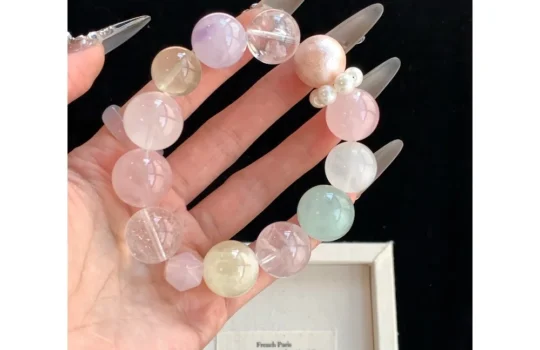
Cultural attitudes toward crystal bracelets vary significantly between Eastern and Western traditions. In Eastern cultures, such as those in India and China, crystals are often integrated into holistic healing practices like Ayurveda and Traditional Chinese Medicine (TCM), where they are believed to balance the body’s energy centers, or chakras. Bracelets may be worn on specific wrists to target certain chakras—for example, wearing a rose quartz bracelet on the left wrist to enhance heart-centered healing. In contrast, Western cultures tend to focus more on the aesthetic and symbolic aspects of crystals, viewing them as tools for self-expression and personal empowerment rather than strictly medicinal.
Gender-Specific Traditions in Crystal Adornment
In some cultures, the wearing of crystal bracelets is gender-specific, with certain stones or styles reserved for men or women. For instance, in traditional Tibetan Buddhism, men might wear bracelets made of turquoise and coral to symbolize strength and protection, while women might opt for bracelets with moonstone or amethyst to promote intuition and emotional balance. These distinctions often reflect broader societal roles and spiritual beliefs about masculinity and femininity. However, in modern times, these boundaries are increasingly blurred, with many people choosing crystals based on personal preference rather than gender norms.
Occasion-Based Crystal Bracelet Selection
The choice of crystal bracelet may also depend on the occasion or life event. In many cultures, specific stones are associated with milestones like birthdays, weddings, or rites of passage. For example, a newlywed might wear a bracelet with garnet, a stone symbolizing passion and commitment, while someone celebrating a birthday might choose a citrine bracelet to attract abundance and joy. During times of grief or transition, black onyx or obsidian bracelets might be worn for grounding and protection. These practices highlight the role of crystals as symbolic tools for navigating life’s emotional and spiritual challenges.
Modern Interpretations and Global Fusion of Practices
Crystal Bracelets in Contemporary Fashion and Wellness
In today’s globalized world, crystal bracelets have transcended their traditional roots to become mainstream fashion accessories and wellness tools. Influencers, celebrities, and wellness enthusiasts often promote crystal bracelets as part of self-care routines, pairing them with yoga, meditation, or aromatherapy. This modern interpretation blends ancient wisdom with contemporary lifestyle trends, emphasizing the accessibility and versatility of crystals. While some purists may argue that this commercialization dilutes their spiritual significance, others see it as a way to introduce crystal energy to a wider audience, encouraging more people to explore their benefits.
Cross-Cultural Adoption and Adaptation of Traditions
As cultures interact and exchange ideas, the wearing of crystal bracelets has evolved to incorporate elements from multiple traditions. For example, someone in the United States might wear a bracelet with a combination of Native American-inspired turquoise and Chinese jade, reflecting a fusion of spiritual beliefs from different parts of the world. Similarly, crystals once exclusive to certain regions, like Moldavite from the Czech Republic or Larimar from the Dominican Republic, are now available globally, allowing wearers to experiment with stones from diverse geographical and cultural backgrounds. This cross-pollination enriches the practice of wearing crystal bracelets, making it a truly global phenomenon.
Ethical Considerations in Sourcing and Wearing Crystals
With the growing popularity of crystal bracelets, ethical concerns have emerged regarding the sourcing and production of these stones. Some traditions emphasize the importance of obtaining crystals through sustainable and respectful means, such as supporting local miners or avoiding stones mined in conflict zones. Additionally, certain cultures believe that crystals should be “gifted” rather than purchased, as the energy of a freely given stone is considered more pure and powerful. Modern practitioners are increasingly mindful of these ethical considerations, seeking out responsibly sourced crystals and educating themselves about the origins of their bracelets to ensure their practices align with their values.
By exploring the cultural significance of crystal bracelets, we gain a deeper appreciation for their role as more than just decorative items. They are vessels of history, spirituality, and personal expression, carrying the wisdom of generations and the intentions of countless wearers. Whether worn for tradition, fashion, or healing, a crystal bracelet can serve as a meaningful connection to the world’s diverse cultural heritage.