Simple Crystal Bracelets for Healthcare Professionals: Style Meets Practicality
Healthcare workers face unique challenges when choosing jewelry: frequent handwashing, exposure to chemicals, and the need for hygienic, non-intrusive accessories. A simple crystal bracelet can offer a touch of personal style without compromising professionalism or safety. Here’s how to select pieces that balance elegance with functionality.
Minimalist Designs for Hygiene and Comfort
In medical settings, jewelry must avoid harboring germs or interfering with tasks like sterilizing hands or wearing gloves. Minimalist crystal bracelets address these concerns with clean lines and smooth surfaces.
Why It Works
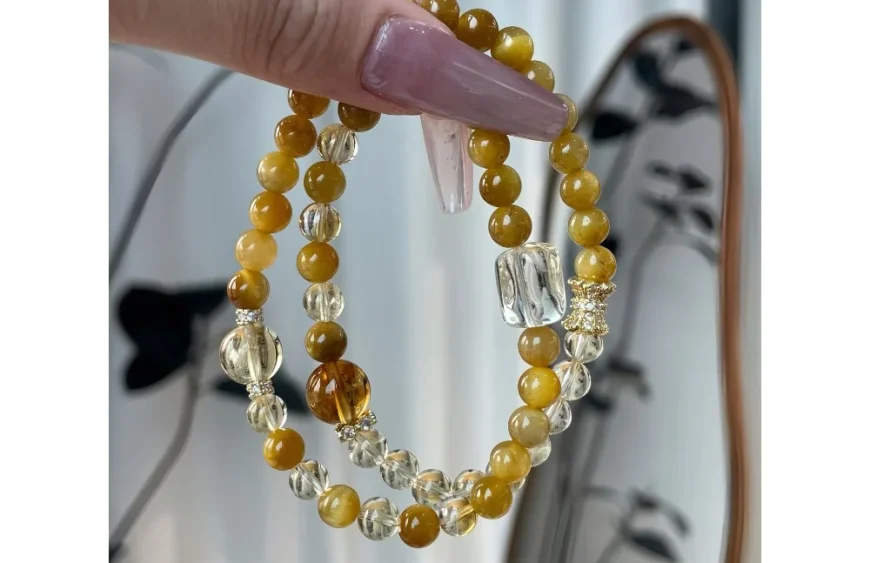
- Easy Cleaning: A single strand of small, polished crystals (e.g., 4mm–6mm beads) or a simple bar pendant can be wiped down quickly with disinfectant wipes between shifts.
- Glove Compatibility: Thin, flat bands or delicate chains sit close to the wrist, preventing gloves from snagging or tearing.
- Subtlety: Understated designs (e.g., a single crystal on a dainty chain) avoid drawing attention away from patient care or violating workplace dress codes.
Styling Tip
Choose a bracelet with a smooth, seamless finish. Avoid intricate filigree or textured metals that trap moisture or bacteria.
Durable Materials for Long-Term Wear
Healthcare environments expose jewelry to water, soap, and cleaning agents, which can tarnish metals or degrade delicate materials. Opt for crystals paired with corrosion-resistant settings and bands.
Resilient Combinations
- Stainless Steel or Titanium Bands: These metals resist rust and discoloration from frequent handwashing. They’re also hypoallergenic, reducing the risk of skin irritation during long shifts.
- Beaded Designs with Coated Crystals: Some crystals are treated with protective coatings to resist water damage and maintain their luster. Look for uniformly shaped beads that dry quickly.
- Secure Clasps: Lobster clasps or sliding knots stay fastened during movement, preventing loss if the bracelet slips during patient interactions.
What to Avoid
- Elastic Bands: These stretch over time, especially when wet, leading to a loose fit that may fall off.
- Plated Metals: Gold or silver plating can chip, exposing the base metal and creating rough edges.
Neutral Colors for Professional Versatility
Vibrant hues might clash with scrubs or medical uniforms, while overly dark tones can appear somber. Neutral-toned crystals offer a polished, calming presence.
Popular Choices
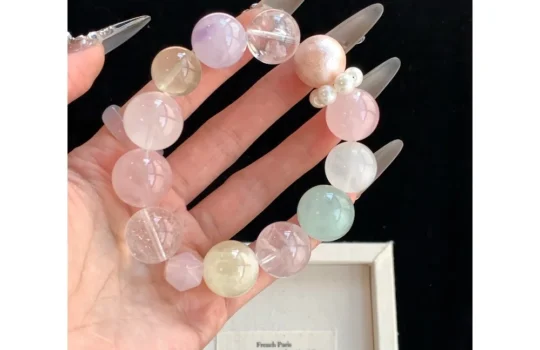
- Clear Quartz: Its transparency complements any color scheme and symbolizes clarity—a fitting metaphor for healthcare work.
- Pale Amethyst: Soft lavender tones add warmth without overwhelming, and the stone is associated with stress relief.
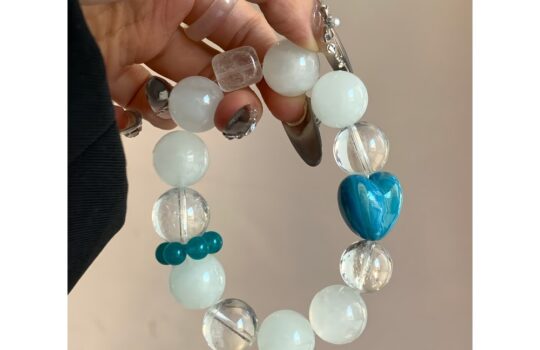
- Moonstone: With its iridescent sheen, moonstone pairs well with both light and dark scrubs, adding a subtle hint of sophistication.
Styling Tip
Match the bracelet’s metal tone to other accessories, like a watch or stethoscope charm, for a cohesive look. For example, a silver-toned band complements stainless steel medical tools.
Symbolic Stones for Emotional Support
Many healthcare workers seek crystals with meanings tied to compassion, resilience, or calm. Incorporating these stones adds personal significance without sacrificing simplicity.
Meaningful Options
- Rose Quartz: Known as the “stone of love,” it’s often linked to empathy and emotional healing—qualities valuable in patient care.
- Black Onyx: This grounding stone is believed to absorb negative energy, helping professionals stay centered during stressful days.
- Howlite: With its marbled white appearance, howlite is associated with patience and communication, aiding interactions with patients and colleagues.
How to Wear Them
Choose a bracelet with a single symbolic stone as a focal point (e.g., a howlite cabochon on a thin chain) or a beaded strand featuring spaced-out charms for subtlety.
For healthcare professionals, a simple crystal bracelet can serve as a quiet reminder of self-care and intention amid demanding routines. By prioritizing minimalist designs, durable materials, neutral colors, and symbolic meaning, these accessories become both functional and meaningful. Always verify workplace policies regarding jewelry to ensure compliance with hygiene and safety standards.