
Durability of Crystal Bracelets for Manual Laborers: Key Considerations
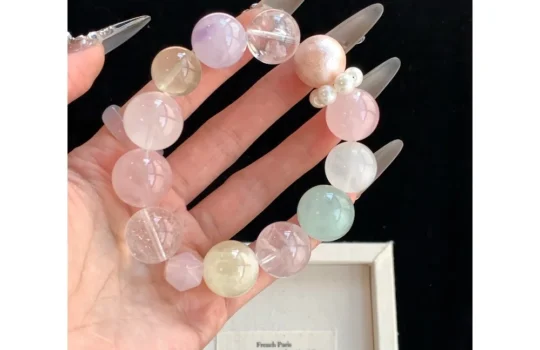
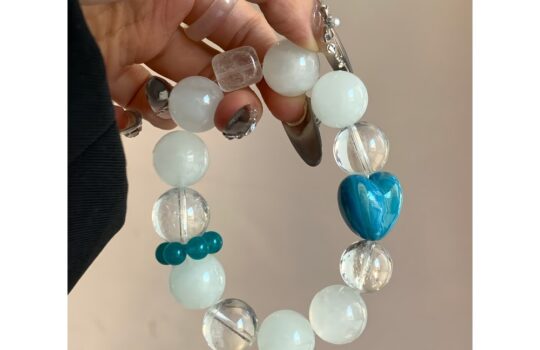
Manual labor often involves repetitive motions, exposure to heat or chemicals, and physical impact—all of which can challenge the longevity of delicate jewelry. For those in physically demanding roles, selecting a crystal bracelet requires balancing aesthetic appeal with practical durability. Here’s how to assess suitability based on material properties and workplace conditions.
Material Hardness and Resistance to Breakage
Most crystals used in jewelry, such as quartz, amethyst, or citrine, rank around 7 on the Mohs hardness scale. While this makes them relatively scratch-resistant compared to softer stones like opal (5–6.5), it doesn’t guarantee immunity to chips or cracks.
Why It Matters for Manual Labor
- Impact Risk: Tools, machinery, or accidental knocks against hard surfaces can fracture even hard crystals.
- Abrasion: Frequent contact with rough materials (e.g., concrete, metal) may wear down polished surfaces over time.
- Thermal Stress: Sudden temperature changes—like moving from a cold environment to a heated workspace—can cause internal fractures in some crystals.
Practical Tip
Opt for bracelets with rounded or cabochon-cut crystals, which lack sharp edges prone to chipping. Avoid intricate settings that might snag on equipment or fabrics.
Setting and Band Design for Active Wear
The way a crystal is mounted and the bracelet’s overall structure significantly influence its ability to withstand daily wear.
Durable Setting Options
- Bezel Settings: A metal rim fully encases the crystal, protecting edges from impact and reducing the risk of dislodgement.
- Flush Mounts: Crystals are set level with the band’s surface, minimizing protrusions that could catch on objects.
- Sturdy Bands: Choose thick, solid bands (e.g., 4mm–6mm width) over delicate chains or elastic cords, which may stretch or fray under stress.
What to Avoid
- Prong Settings: Thin metal prongs can bend or break, loosening the crystal.
- Adjustable Knot Bands: Elastic or silk threads degrade faster with sweat and friction, leading to sagging or breakage.
Maintenance and Care for Longevity
Even durable crystals require regular upkeep to maintain their appearance and structural integrity.
Daily Wear Precautions
- Remove During Tasks: Take off the bracelet before using tools, handling chemicals, or engaging in activities like welding or gardening.
- Avoid Chemical Exposure: Household cleaners, solvents, or even prolonged sweat exposure can dull crystal surfaces or erode metal settings.
- Clean Gently: Use a soft, damp cloth to wipe away dirt. Avoid ultrasonic cleaners, which may loosen settings or damage heat-sensitive stones.
Storage Tips
- Separate from Hard Objects: Store the bracelet in a fabric-lined box or pouch to prevent scratches from other jewelry.
- Avoid Extreme Temperatures: Keep away from heaters, windowsills, or cold garages, as temperature fluctuations can weaken adhesive in glued settings.
Alternative Materials for High-Risk Environments
If workplace hazards make crystal bracelets impractical, consider hybrid or alternative options that combine durability with subtle style.
Resilient Choices
- Titanium or Stainless Steel Bands: These metals resist corrosion and withstand impact better than sterling silver or gold-plated bands.
- Crystal Inlays: Some designs feature small crystals set into a durable metal or resin base, offering sparkle without the fragility of a full crystal band.
- Silicone Bands with Crystal Charms: Flexible silicone bands are comfortable for active wear, and small crystal pendants add a touch of elegance without dominating the design.
When to Skip Crystals Altogether
In environments with high chemical exposure (e.g., laboratories, industrial cleaning) or extreme physical stress (e.g., construction, mining), opt for non-porous, unbreakable materials like medical-grade silicone or reinforced composites.
For manual laborers, a crystal bracelet can be a meaningful accessory if chosen and cared for thoughtfully. Prioritize hard, well-protected stones, sturdy settings, and practical maintenance habits to ensure the piece remains both beautiful and functional. When in doubt, consult a jeweler about custom designs tailored to your specific work conditions.