Age-Appropriate Considerations for Children Wearing Crystal Bracelets: Safety and Supervision Guidelines
Physical Safety Risks for Young Wearers
Children’s activities and developing bodies create unique hazards when wearing crystal bracelets. Understanding these risks helps caregivers take preventive measures.
- Choking Hazards from Small Components: Many bracelets feature small beads, clasps, or decorative elements that can detach during play. Children under five are especially prone to putting objects in their mouths, increasing the risk of choking.
- Breakage and Sharp Edges: Crystals, though durable, can chip or fracture if dropped or struck against hard surfaces. Broken pieces may have sharp edges that cut skin or cause injuries during active play.
- Strangulation Risk from Loose Fit: Elastic or adjustable bracelets that are too loose can slip over a child’s hand and become caught on objects like playground equipment, furniture, or clothing. This poses a strangulation hazard, particularly for toddlers.
- Allergic Reactions to Materials: Children’s skin is often more sensitive than adults’. Metals in clasps, elastic coatings, or dyes used on crystals may trigger rashes, itching, or redness, especially with prolonged contact.
Supervision Strategies to Ensure Safe Wear
Active monitoring and clear rules minimize risks while allowing children to enjoy their bracelets.
- Limit Wear During Physical Activities: Encourage children to remove bracelets before running, climbing, or playing sports. Store them in a safe, visible place to avoid loss or damage.
- Check for Secure Fit Regularly: Ensure the bracelet isn’t too tight (which restricts circulation) or too loose (which increases strangulation risk). Adjust elastic bands or clasps as needed, especially as the child grows.
- Inspect for Damage Daily: Before allowing a child to wear the bracelet, check for loose beads, frayed elastic, or cracked crystals. Repair or replace damaged items immediately to prevent accidents.
- Teach Safe Handling Habits: Explain why pulling, twisting, or chewing on the bracelet is dangerous. Use simple language like, “This is for your wrist, not your mouth!” to reinforce boundaries.
Choosing Child-Friendly Crystal Bracelet Features
Selecting designs with safety in mind reduces the need for constant supervision.
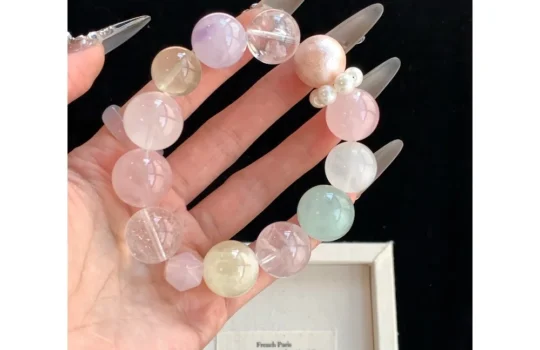
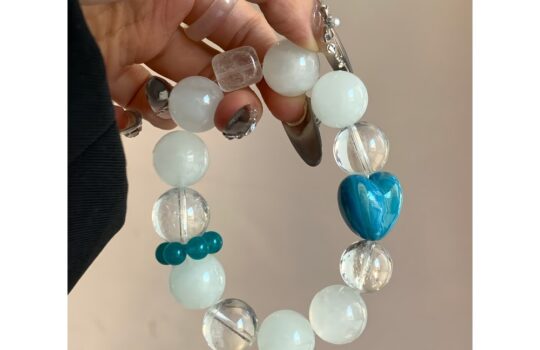
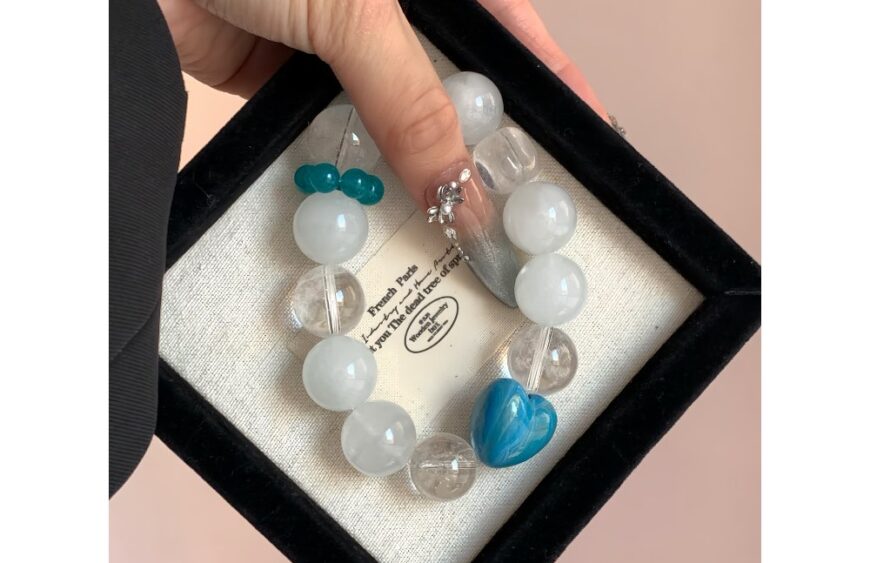
- Opt for Larger, Rounded Beads: Beads larger than 1.5 inches in diameter are harder for young children to swallow. Choose smooth, polished stones without sharp edges to avoid scratches.
- Avoid Small Attachments or Charms: Skip bracelets with tiny pendants, bells, or dangling elements that can break off. Stick to simple, solid designs without removable parts.
- Use Breakaway Clasps or Elastic Bands: Look for bracelets with breakaway safety clasps that pop open under pressure, or stretchy elastic bands that fit snugly without constricting.
- Prioritize Hypoallergenic Materials: Select bracelets made from non-reactive metals (like stainless steel) or natural fibers for elastic bands. Avoid nickel-plated or dyed materials that may irritate sensitive skin.
When to Remove Crystal Bracelets from Children
Certain situations demand immediate removal to prevent harm.
- During Sleep or Naptime: Loose bracelets can twist around a child’s wrist or arm during movement, cutting off circulation or causing discomfort. Remove them before bedtime and store them out of reach.
- In Water or Humid Environments: Elastic bands weaken when wet, increasing the risk of breakage. Metals may tarnish or corrode, and dyes could bleed onto skin. Take off bracelets before bathing, swimming, or playing in the rain.
- If the Child Shows Discomfort: If a child complains of itching, pain, or restricted movement, remove the bracelet immediately. Check for allergies, poor fit, or hidden injuries like pinched skin.
- When Unsupervised for Long Periods: Never let a child wear a bracelet unattended for hours, especially if they’re prone to exploring objects with their mouths or engaging in rough play.
Educating Children About Responsible Bracelet Use
Age-appropriate conversations help kids understand safety rules.
- Explain Why Some Jewelry Isn’t for Kids: Use phrases like, “This bracelet has tiny parts that could hurt you if they break off” or “Metal can make your skin itchy, so we’ll check it together.”
- Role-Play Safe Scenarios: Practice scenarios like, “What if the bracelet gets stuck on a slide?” or “What do you do if a bead falls off?” Encourage them to tell an adult immediately.
- Involve Them in Care Routines: Let children help inspect their bracelet for damage or clean it with a soft cloth. This builds responsibility and awareness of potential risks.
- Set Clear Boundaries: Use consistent rules like, “Bracelets stay on your wrist, not in your mouth” or “We take it off before climbing trees.” Reinforce these with positive praise when followed.
Common Misconceptions About Children and Crystal Bracelets
Dispelling these myths ensures caregivers make informed decisions.
- “All Crystal Bracelets Are Safe for Kids”: Not all designs are child-friendly. Small beads, toxic dyes, or fragile materials pose risks even in “natural” or “organic” products. Always assess safety features first.
- “Kids Outgrow the Need for Supervision”: While older children may handle bracelets more responsibly, they still require guidance, especially during new activities or if the bracelet has adjustable parts.
- “Elastic Bracelets Don’t Need Adjustments”: Elastic bands stretch over time, becoming looser and more prone to slipping off or catching on objects. Regular checks are essential regardless of closure type.
- “Only Babies Choke on Jewelry”: Children up to age eight remain at risk for choking, as they often explore objects with their mouths. Size and durability matter more than age alone.
By prioritizing safety features, active supervision, and age-appropriate education, caregivers can let children enjoy crystal bracelets without unnecessary risks. Clear communication and proactive habits ensure a positive and secure experience.