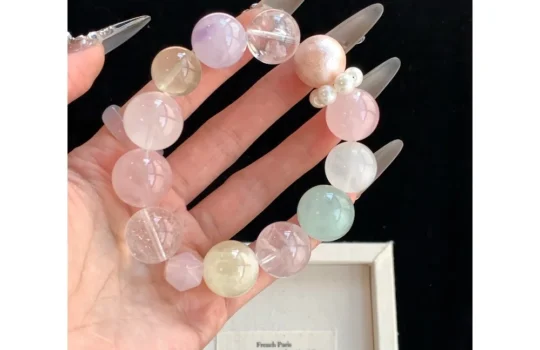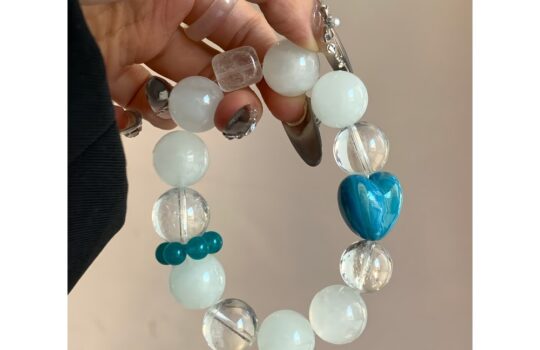
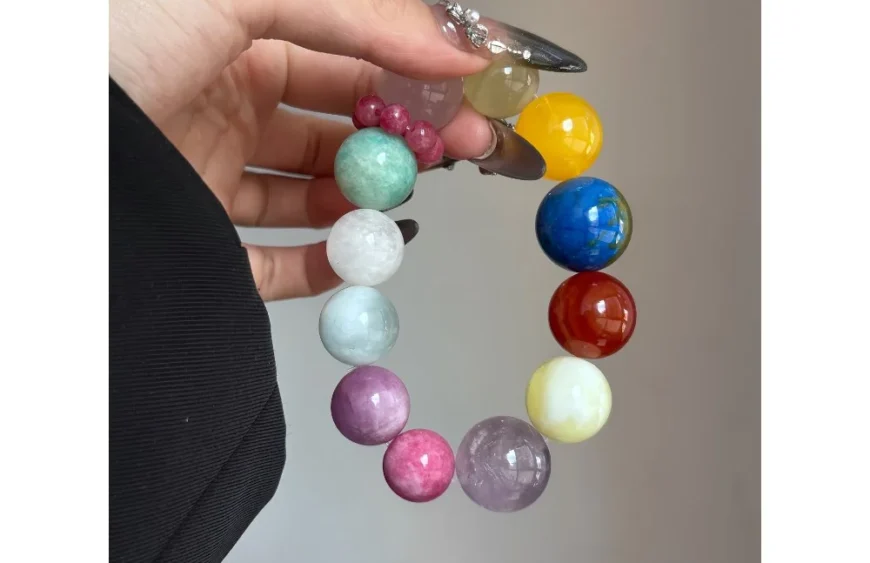
Why Crystal Bracelets Need Protection from Chemicals: Essential Care for Longevity and Beauty
Common Household Chemicals That Threaten Crystal Bracelets
Many everyday products contain chemicals that can damage both the stones and metal components of your bracelet, often without immediate visible effects.
- Cleaning Agents: Household cleaners like bleach, ammonia, or window sprays often contain harsh chemicals that can corrode metal settings or etch the surface of delicate crystals. Even brief exposure to spills or splatters during cleaning tasks poses a risk.
- Beauty and Personal Care Products: Lotions, perfumes, hairsprays, and makeup contain oils, alcohols, and acids that may react with crystals or metals. Applying these products while wearing your bracelet can leave a residue that dulls its shine or causes discoloration over time.
- Swimming Pool Chemicals: Chlorine and other disinfectants used in pools are highly corrosive. Wearing your bracelet while swimming or sitting near a pool exposes it to these chemicals, leading to tarnished metal, faded stones, or weakened elastic bands.
How Chemicals Affect Different Types of Crystals
Not all crystals respond to chemicals in the same way. Understanding their vulnerabilities helps you take targeted precautions to preserve their natural beauty.
- Porous Stones: Crystals like turquoise, lapis lazuli, or rhodonite have tiny pores that absorb liquids easily. Chemicals can seep into these pores, altering their color or causing irreversible damage. For example, turquoise may turn greenish when exposed to oils or acids.
- Soft or Fragile Crystals: Stones like selenite, fluorite, or calcite rank low on the Mohs hardness scale, making them prone to scratching or dissolving when in contact with acidic substances. Even lemon juice or vinegar can etch their surfaces if spilled accidentally.
- Metal-Set Crystals: Bracelets with metal clasps, bezels, or chains are at risk from chemicals that tarnish or corrode. Silver may turn black, copper may develop a green patina, and base metals might rust when exposed to moisture or acidic compounds.
Immediate Steps to Take if Your Bracelet Contact Chemicals
Accidents happen, but quick action can minimize damage. Here’s what to do if your crystal bracelet comes into contact with harmful substances.
- Rinse with Clean Water: If the chemical is water-soluble (like most household cleaners), hold the bracelet under lukewarm running water for several minutes to dilute and wash away the substance. Avoid hot water, which might expand cracks or loosen settings.
- Pat Dry Gently: Use a soft, lint-free cloth to dry the bracelet thoroughly. Avoid rubbing, as this can scratch porous or soft stones. Let it air-dry completely before storing to prevent moisture buildup.
- Avoid Harsh Cleaning Tools: Do not use abrasive sponges, toothbrushes, or chemical cleaners to remove residue. These can scratch the stones or strip away protective coatings on metals. Stick to gentle wiping with a damp cloth if needed.
Safe Storage Practices to Shield Your Bracelet from Chemicals
Proper storage reduces the risk of accidental exposure to harmful substances. Thoughtful placement keeps your bracelet clean and ready to wear.
- Use a Sealed Container: Store your bracelet in a fabric pouch, airtight box, or jewelry case with a lid. This prevents dust, airborne chemicals (like hairspray or perfume), and humidity from settling on its surface.
- Keep It Away from High-Risk Areas: Avoid storing your bracelet near sinks, laundry rooms, or garages where cleaning products, paints, or solvents are commonly used. Even fumes from these chemicals can tarnish metals or dull crystals over time.
- Separate from Other Jewelry: Store your crystal bracelet alone or with similar materials to prevent scratches from harder stones or metal pieces. Avoid placing it in compartments with costume jewelry, which may contain reactive alloys.
When to Seek Professional Help for Chemical Damage
Some damage from chemicals requires expert intervention to restore your bracelet’s appearance and structural integrity.
- Deep Etching or Scratches: If a chemical has etched the surface of a soft stone or left visible scratches, a professional jeweler may be able to polish or re-facet the crystal to minimize damage.
- Severe Metal Corrosion: If metal components are pitted, rusted, or broken beyond repair, a jeweler can assess whether they can be cleaned, replated, or replaced to save the bracelet.
- Loose or Damaged Settings: Chemical exposure might weaken the glue or prongs holding stones in place. A professional can secure loose crystals or reset them to prevent further loss.
Common Misconceptions About Chemical Exposure and Crystal Bracelets
Many people underestimate the risks chemicals pose to their jewelry. Dispelling these myths helps you adopt better care habits.
- “Water Is Always Safe for Crystals”: While pure water is generally harmless, tap water often contains chlorine, fluoride, or minerals that can react with certain stones or metals over time. Distilled or filtered water is safer for rinsing.
- “Only Strong Acids Cause Damage”: Even mildly acidic substances like lemon juice, vinegar, or some skincare products can harm soft crystals or metals if left in contact for too long. Always rinse off residues promptly.
- “Chemical Damage Happens Instantly”: Some effects, like tarnishing or discoloration, may appear gradually after repeated exposure. Regular cleaning and storage habits are key to preventing long-term harm.
By keeping your crystal bracelet away from chemicals and adopting proactive care practices, you ensure it remains a vibrant, meaningful accessory for years to come. Simple precautions and timely actions protect both its physical beauty and energetic qualities.