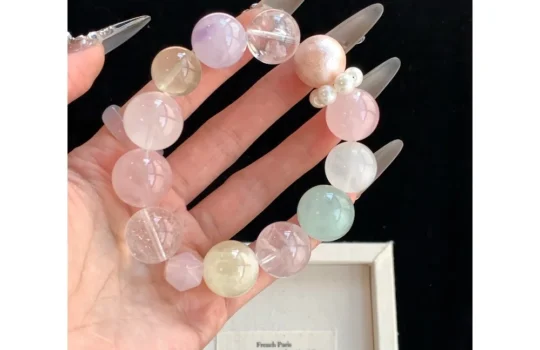

How to Care for Your Citrine Bracelet:A Practical Guide
Citrine bracelets are cherished for their vibrant golden hues and symbolic meanings, but improper care can lead to dullness, scratches, or even structural damage. Below are actionable tips to help maintain your bracelet’s beauty and longevity.
1. Daily Wear Precautions
Avoid Physical Impact
Citrine ranks 7 on the Mohs scale, making it durable but brittle. Sudden blows or friction against hard surfaces (like metal, diamonds, or countertops) can cause chips or fractures. Remove your bracelet during physical activities, gardening, or when handling heavy objects to minimize risks.
Keep Away from Chemicals
Household cleaners, perfumes, hairsprays, and even natural oils from your skin can erode citrine’s surface over time. Always put on your bracelet after applying cosmetics or scents, and wipe it gently with a soft cloth after wear to remove residue.
Prevent Extreme Temperatures
Prolonged exposure to heat (e.g., saunas, direct sunlight) or rapid temperature changes (like moving from a cold room to a hot kitchen) may lead to internal cracks or color fading. Store your bracelet away from heaters, windowsills, and avoid wearing it in hot tubs or while cooking.
2. Cleaning Your Citrine Bracelet
Gentle Daily Cleaning
Use a soft, lint-free cloth (like a microfiber or eyeglass cloth) to wipe away dust and oils after each wear. For light grime, dampen the cloth with lukewarm water and a drop of mild dish soap, then gently polish the stone and metal settings. Rinse with clean water and dry thoroughly.
Deep Cleaning Monthly
Soak the bracelet in a bowl of lukewarm water mixed with a few drops of mild soap for 10–15 minutes. Use a soft-bristled toothbrush to clean crevices and around settings, but avoid scrubbing aggressively. Rinse under running water and pat dry with a soft cloth.
What to Avoid
- Ultrasonic cleaners: Vibrations can loosen settings or worsen existing cracks.
- Harsh chemicals: Bleach, ammonia, or vinegar can damage both the stone and metal.
- Abrasive materials: Toothpaste, baking soda, or rough fabrics may scratch the surface.
3. Proper Storage Solutions
Separate from Other Jewelry
Store your citrine bracelet in a fabric-lined box or a soft pouch to prevent scratches from harder gemstones (like diamonds) or metals. If stacking multiple pieces, wrap each in tissue paper or a soft cloth.
Control Humidity
Excess moisture can tarnish metal settings or encourage mold growth on organic materials (if present). Keep your storage area dry by using silica gel packets or a dehumidifier, especially in humid climates.
Limit Light Exposure
Prolonged sunlight or artificial light can fade citrine’s color over time. Store the bracelet in a dark drawer or box when not in use, and avoid displaying it near windows or under strong lamps.
4. Addressing Common Issues
Loose Settings
Check prongs or bezels regularly for signs of wear. If the stone feels wobbly, stop wearing it immediately and consult a professional jeweler to prevent loss.
Dullness or Cloudiness
A lackluster appearance is often due to built-up oils or soap residue. Repeat the deep-cleaning process, ensuring thorough drying afterward. If the issue persists, a jeweler can professionally polish the stone.
Minor Scratches
While citrine is resistant to light scratches, deeper ones may require repolishing. Avoid DIY fixes like sandpaper, which can worsen damage.
By following these steps, your citrine bracelet will retain its radiance and structural integrity for years to come. Regular maintenance is key—a little care goes a long way in preserving both its aesthetic and sentimental value.