Long-Term Storage Care for Your Crystal Bracelet: Protecting Its Beauty When Not in Use
Crystal bracelets, while stunning, require specific care when stored for extended periods. Without proper maintenance, they can develop discoloration, lose their shine, or even sustain structural damage. Here’s how to ensure your piece stays pristine during long-term idle periods.
Why Long-Term Storage Demands Special Attention
Environmental Factors That Degrade Crystals Over Time
Humidity, dust, and temperature fluctuations are silent threats to stored jewelry. Moisture can cause metal components to tarnish or crystals to develop a cloudy film, while dust particles act like sandpaper when disturbed.
Risks of Improper Packaging Materials
Plastic bags or containers trap moisture, leading to mold or mildew growth. Similarly, storing bracelets in direct sunlight or near heat sources can fade colors or weaken adhesive settings, causing stones to loosen.
Chemical Exposure in Storage Areas
Household cleaners, perfumes, or even air fresheners release fumes that can react with crystals or metals over time. Choosing a storage location free from chemical exposure is crucial for preserving your bracelet’s integrity.
Selecting the Right Storage Environment
Choosing a Cool, Dry Location Away from Sunlight
Opt for a closet, drawer, or shelf in a temperature-controlled room. Avoid attics, basements, or garages, where humidity and temperature extremes are common. Direct sunlight can fade certain crystals, so prioritize shaded areas.
Maintaining Consistent Humidity Levels
High humidity encourages tarnish and mold, while overly dry air can cause crystals to crack. Use a dehumidifier in damp climates or a small dish of silica gel packets (non-scented) near your storage area to balance moisture levels naturally.
Avoiding Areas Prone to Vibrations or Impact
Store your bracelet away from foot traffic, loud appliances, or places where items might shift frequently. Vibrations can loosen settings or scratch the crystal if it rubs against hard surfaces.
Proper Packaging Techniques for Long-Term Safety
Wrapping the Bracelet in Acid-Free Tissue Paper
Before placing your bracelet in a container, wrap it loosely in acid-free tissue paper. This material prevents direct contact with packaging surfaces and absorbs residual moisture, reducing the risk of tarnish or corrosion.
Using a Breathable Fabric Pouch for Initial Protection
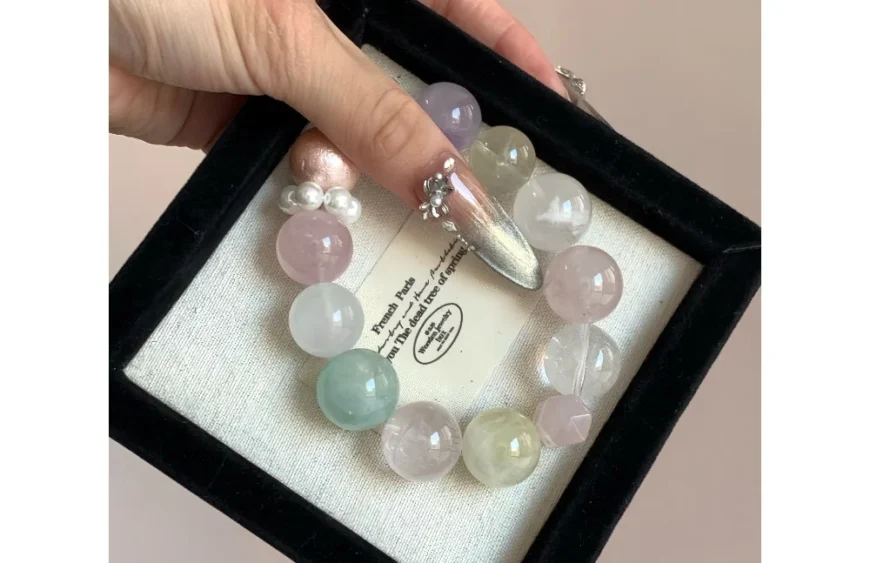
A soft, breathable pouch made of cotton or velvet provides an extra layer of cushioning. Slide your wrapped bracelet into the pouch to shield it from dust and minor impacts during storage.
Placing It in a Rigid, Airtight Container for Final Storage
Transfer the pouch to a sturdy, airtight container—such as a glass jar or plastic box with a secure lid—to block out airborne contaminants. Ensure the container is clean and dry before sealing it.
Preventing Tarnish and Corrosion on Metal Components
Separating Metals from Crystals to Avoid Chemical Reactions
If your bracelet combines crystals with metal (e.g., silver, copper), store each component separately if possible. Metals can oxidize and release gases that react with crystals, causing discoloration or pitting.
Adding Anti-Tarnish Strips to the Storage Container
Place a non-toxic anti-tarnish strip inside the container to absorb sulfur and other pollutants that cause metals to tarnish. Replace the strip every six months or as directed to maintain effectiveness.
Avoiding Contact with Rubber or Latex Materials
Rubber bands or latex gloves can leave residue on metals, accelerating tarnish. Handle your bracelet with clean, dry hands or cotton gloves when placing it into storage to avoid contamination.
Regular Checks and Maintenance During Storage
Inspecting the Bracelet Every 3–6 Months
Even in storage, your bracelet needs occasional attention. Open the container every few months to check for signs of moisture, tarnish, or loose stones. Early detection allows you to address issues before they worsen.
Gently Cleaning Before Re-Storing if Needed
If you notice dust or residue, clean your bracelet with a soft, damp cloth and mild soap (if necessary). Dry it thoroughly with a microfiber towel before returning it to storage to prevent trapped moisture.
Replacing Packaging Materials Periodically
Tissue paper, pouches, and anti-tarnish strips degrade over time. Swap out old materials for fresh ones during your inspections to ensure ongoing protection.
Handling and Reintroducing Your Bracelet After Storage
Unwrapping and Assessing Its Condition
When you’re ready to wear your bracelet again, unwrap it carefully and examine it under good lighting. Look for scratches, loose stones, or tarnish. If issues arise, consult a professional jeweler for repairs.
Cleaning It Gently Before Wearing
Even in pristine storage, your bracelet may accumulate dust. Wipe it with a soft cloth and, if needed, use a mild jewelry cleaner (avoiding harsh chemicals). Rinse with lukewarm water and dry completely before wearing.
Storing It Properly After Each Use
After wearing your bracelet, clean it as described above and return it to its storage setup promptly. Consistent habits prevent future damage and make long-term care more manageable.
By following these steps, you’ll ensure your crystal bracelet remains vibrant and intact during long periods of disuse. Thoughtful storage practices preserve its beauty, allowing you to enjoy it for years to come.