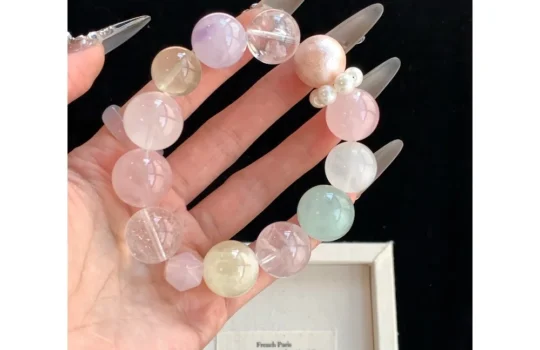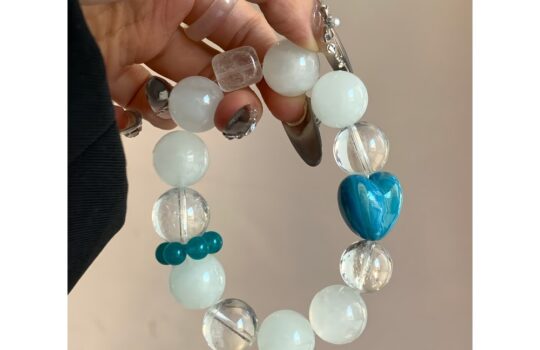
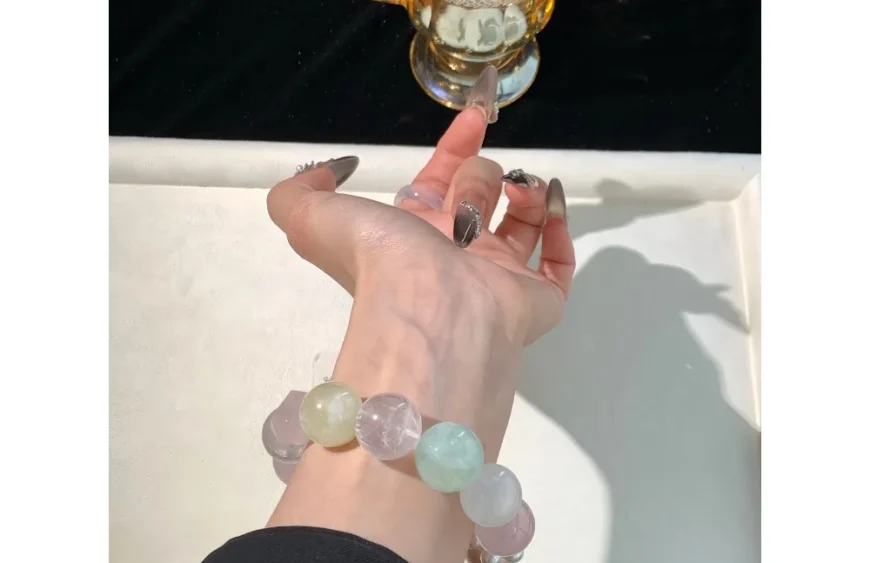
Regular Inspection and Maintenance for Crystal Bracelets: A Proactive Approach
Crystal bracelets, while stunning, require consistent care to retain their brilliance and structural integrity. Regular inspections help identify minor issues before they escalate, ensuring your jewelry remains in optimal condition. Here’s how to establish a routine that protects your investment.
Why Routine Inspections Matter for Crystal Jewelry
Preventing Small Issues from Becoming Major Problems
Loose stones, weakened clasps, or minor scratches can worsen over time if ignored. Monthly checks allow you to address these concerns early, avoiding costly repairs or irreversible damage.
Extending the Lifespan of Your Bracelet Through Proactive Care
Frequent handling exposes crystals to oils, dust, and impact risks. Regular maintenance minimizes wear, preserving the bracelet’s appearance and value for years to come.
Common Signs Your Bracelet Needs Immediate Attention
Look for cloudiness in crystals, discoloration on metal settings, or unusual sounds when worn. These indicators often signal underlying problems that require prompt action.
Step-by-Step Guide to Inspecting Your Crystal Bracelet
Examining the Clasp and Fastening Mechanism
Gently open and close the clasp multiple times to test its security. Check for cracks, loose hinges, or signs of metal fatigue. A faulty clasp can lead to accidental loss of the bracelet.
Checking for Loose or Damaged Stones
Hold the bracelet under bright light and rotate it slowly. Use a magnifying glass to inspect each crystal for gaps between the stone and setting. Wiggle stones lightly to detect movement.
Assessing the Condition of Metal Components
Metal bands, bezels, or decorative elements should be free of tarnish, dents, or sharp edges. Rub a soft cloth over these areas to check for residue or discoloration that might indicate corrosion.
Cleaning Your Bracelet Before and After Inspection
Preparing a Gentle Cleaning Solution for Safe Use
Mix lukewarm water with a drop of mild, phosphate-free dish soap in a small bowl. Avoid harsh chemicals or abrasive cleaners, which can strip crystals of their luster or damage metal.
Using Soft Tools to Remove Dirt Without Scratching
Dip a soft-bristled toothbrush into the solution and gently scrub the bracelet, focusing on crevices and settings. For delicate areas, wrap the brush in a thin layer of microfiber cloth to reduce pressure.
Drying and Polishing the Bracelet to Restore Shine
Pat the bracelet dry with a clean, lint-free cloth. Avoid air-drying, as moisture can linger in settings and cause tarnish. Buff crystals with a silk cloth to enhance their natural sparkle.
Addressing Specific Issues During Inspections
Tightening Loose Stones Without Professional Tools
If a stone feels slightly loose, place a folded piece of clean cardstock beneath the setting to protect the crystal. Use the eraser end of a pencil to apply gentle pressure, pushing the stone back into place.
Removing Tarnish from Metal Using Household Items
For mild tarnish, create a paste of baking soda and water. Apply it to metal areas with a cotton swab, avoiding crystals. Rinse thoroughly and dry immediately to prevent water spots.
Fixing a Stuck or Stiff Clasp Mechanism
If the clasp resists opening, apply a tiny drop of food-grade mineral oil to the hinge. Work the clasp back and forth to distribute the oil, then wipe away excess with a cloth.
Long-Term Storage and Handling Tips
Storing the Bracelet in a Safe, Dust-Free Environment
After inspection and cleaning, place the bracelet in a breathable fabric pouch or a lined jewelry box. Avoid plastic bags, which trap moisture and accelerate tarnish on metal components.
Handling the Bracelet with Clean Hands to Minimize Oil Transfer
Natural oils from your skin can dull crystals and corrode metal over time. Wash your hands before wearing or inspecting the bracelet, and avoid touching crystals directly whenever possible.
Scheduling Regular Inspections Based on Wear Frequency
If worn daily, inspect the bracelet every 2–3 weeks. For occasional use, monthly checks suffice. Adjust the schedule if you notice frequent exposure to water, chemicals, or physical impact.
When to Consult a Professional Jeweler
Signs Your Bracelet Requires Expert Repair
If stones are severely loose, metal is bent, or the clasp fails to secure properly, seek professional help. Attempting DIY fixes on complex issues can cause further damage.
Risks of Delaying Repairs for Crystal Jewelry
Ignoring problems like cracked settings or weakened prongs can lead to stone loss or structural failure. Prompt repairs preserve the bracelet’s aesthetic and functional value.
Finding a Reputable Jeweler for Complex Maintenance Needs
Ask for recommendations from local jewelry stores or check online reviews for professionals experienced in crystal jewelry. Ensure they use gentle techniques and avoid ultrasonic cleaners, which can shatter fragile stones.
By incorporating these practices into your routine, you’ll keep your crystal bracelet looking its best while safeguarding it against common risks. Consistent care ensures your jewelry remains a cherished accessory for years to come.